Historic Smallwood Store

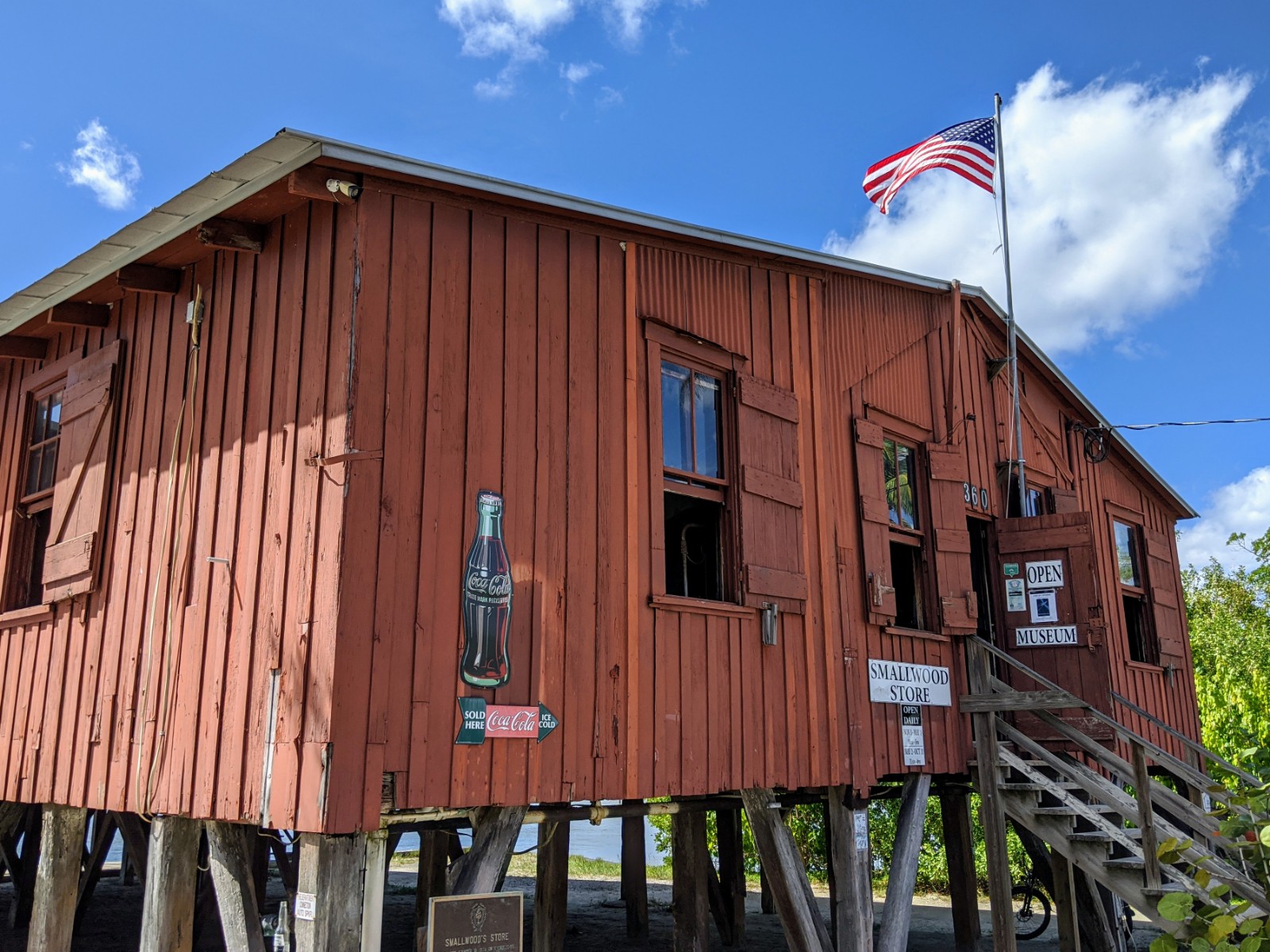
Back in February, we got the opportunity to head down to Chokoloskee Island on the western edge of the Everglades in the heart of the Ten Thousand Islands and tour the fascinating Historic Smallwood Store. Opened in 1906 by Ted Smallwood, the Smallwood Store served as a vital trading post in the area until 1982 and has since been converted into a museum that features a “time capsule of Florida pioneer history,” according to the official website. It is listed on the National Register of Historic Places.

Green Springs Park, Deltona

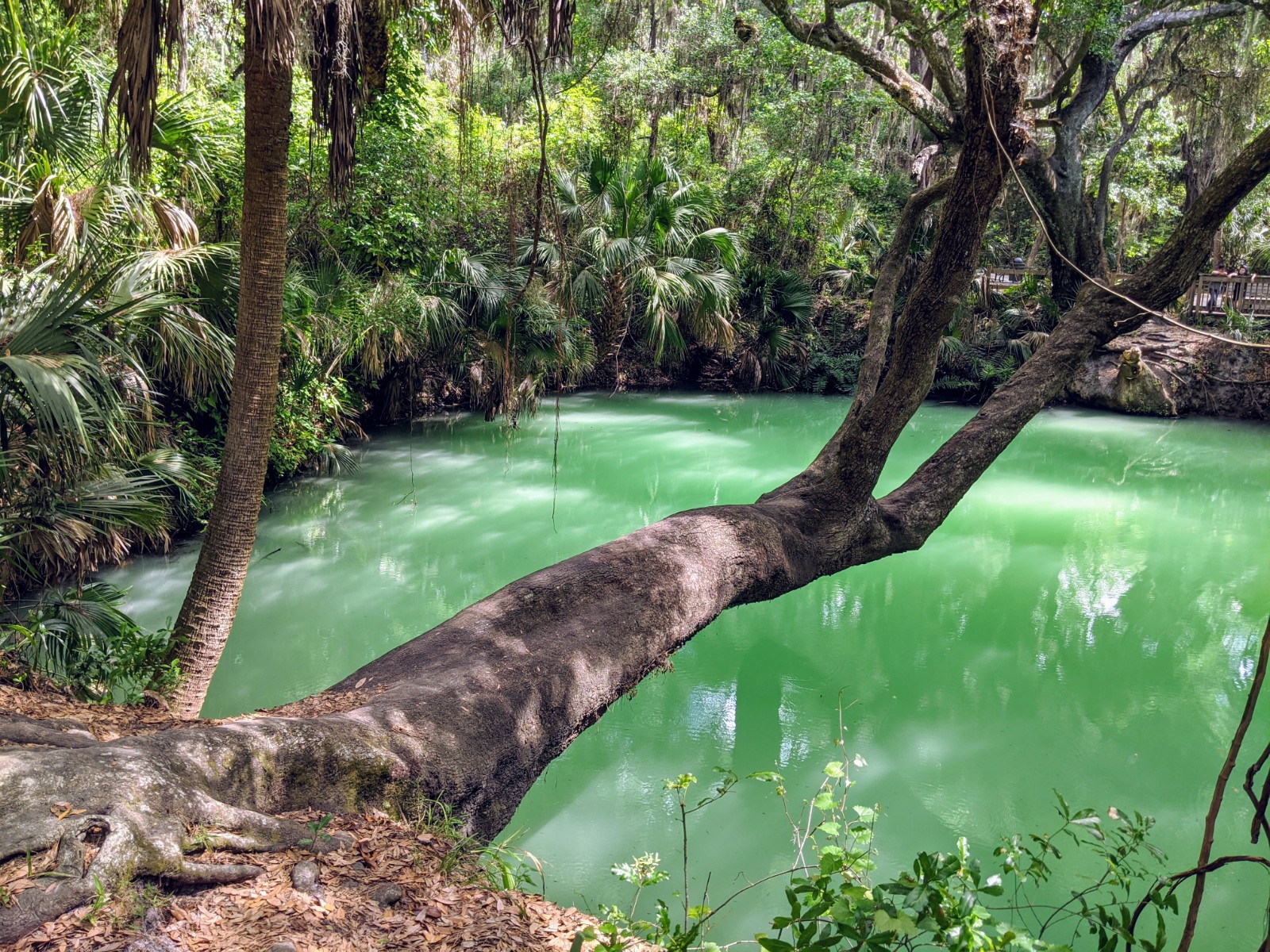
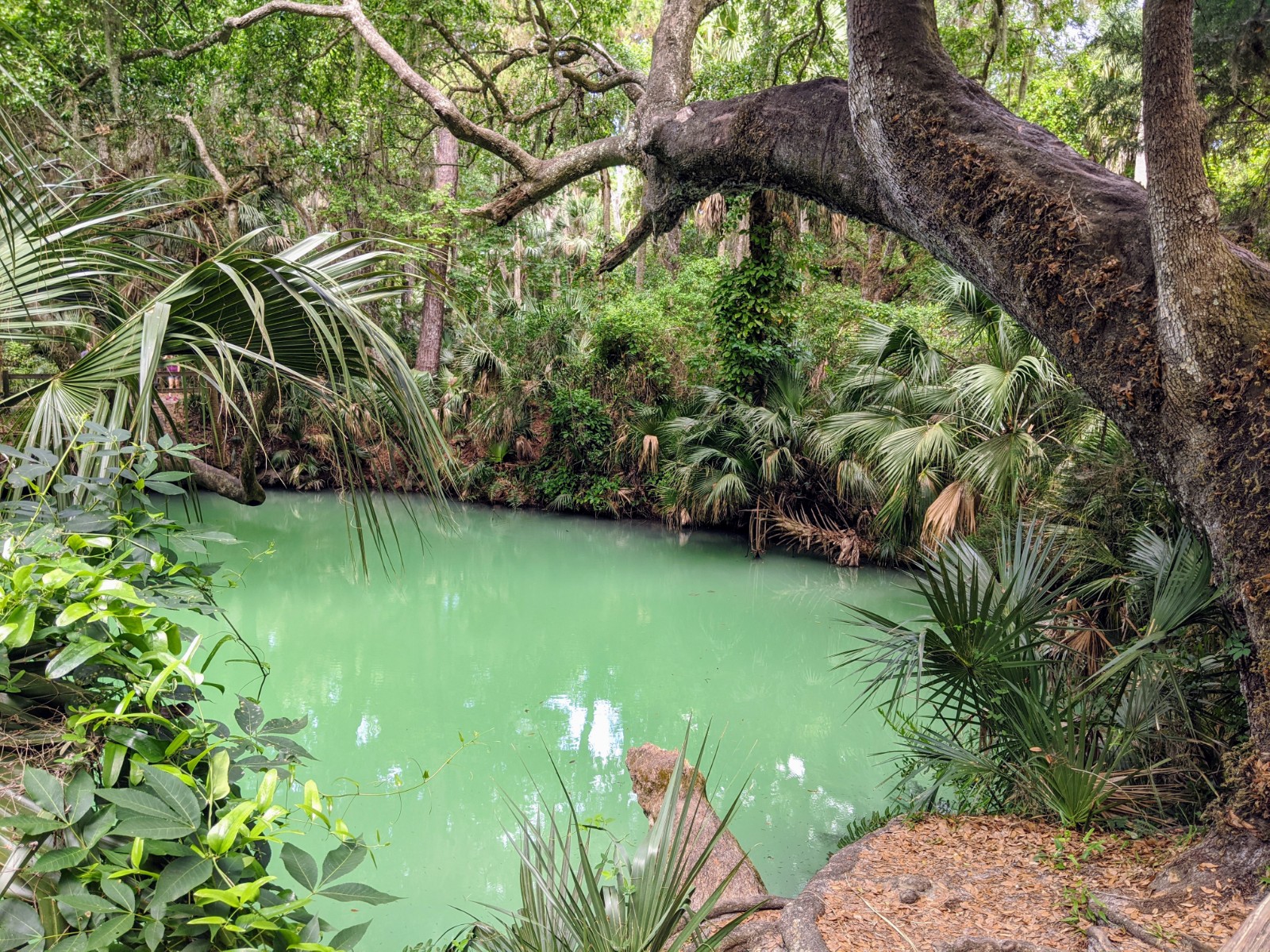
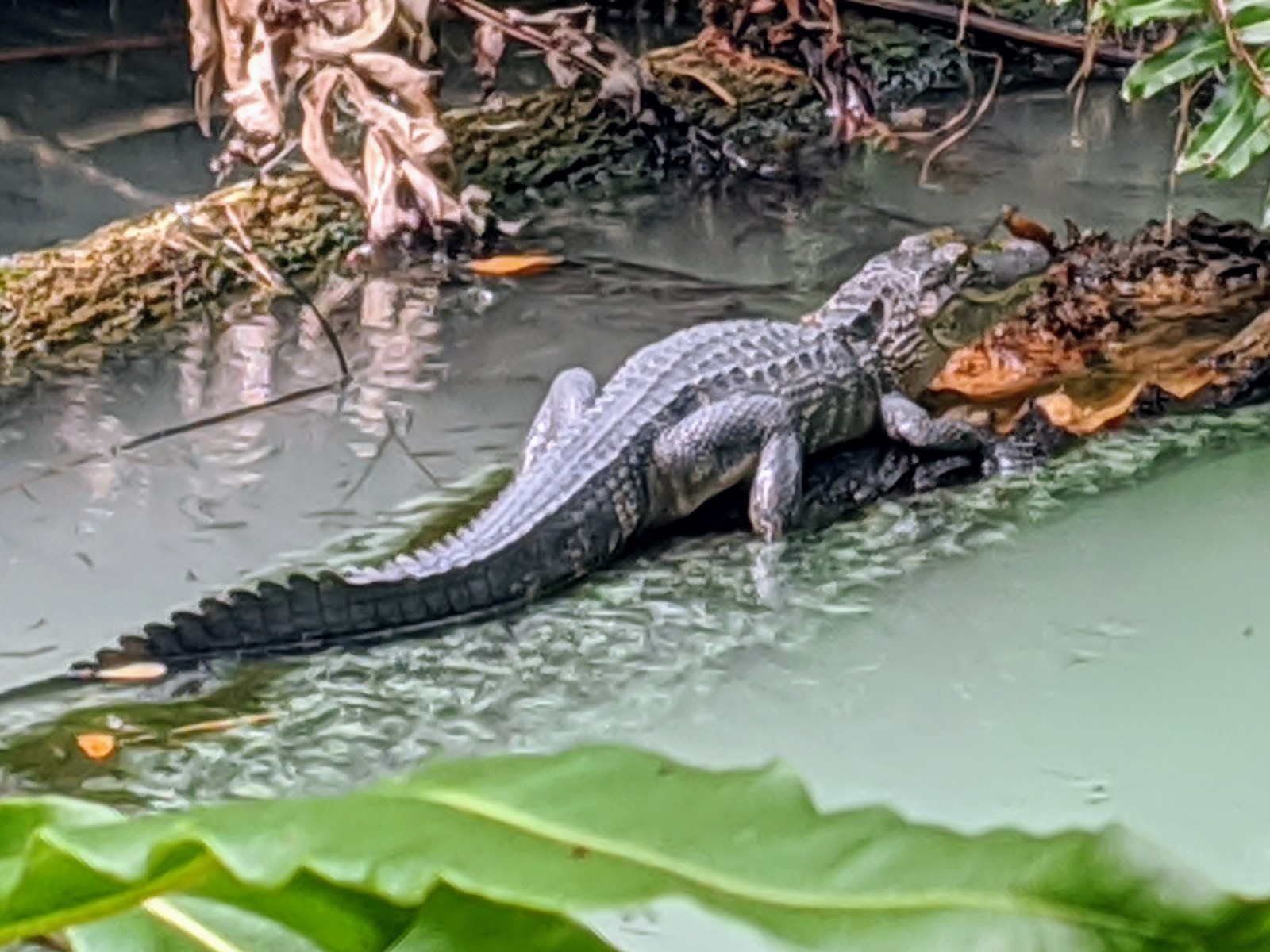
I saw this Florida alligator at the aptly named Green Springs Park in Deltona on Sunday. A bustling outdoor recreational hot spot, Green Springs Park is not the greatest locale to keep your distance from the populace. However, I do recommend stopping by when it’s less crowded just so you can take a glimpse of the incredibly beautiful springs. According to the official website, “By 1883, Green Springs was part of the large estate of wine importer and steamboat baron Frederick deBary, who used it to entertain guests from DeBary Hall. Well into the 20th century, the site still attracted tourists who were struck by what one observer called the spring’s ‘delicate green waters.'”

Bourlay Historic Nature Park


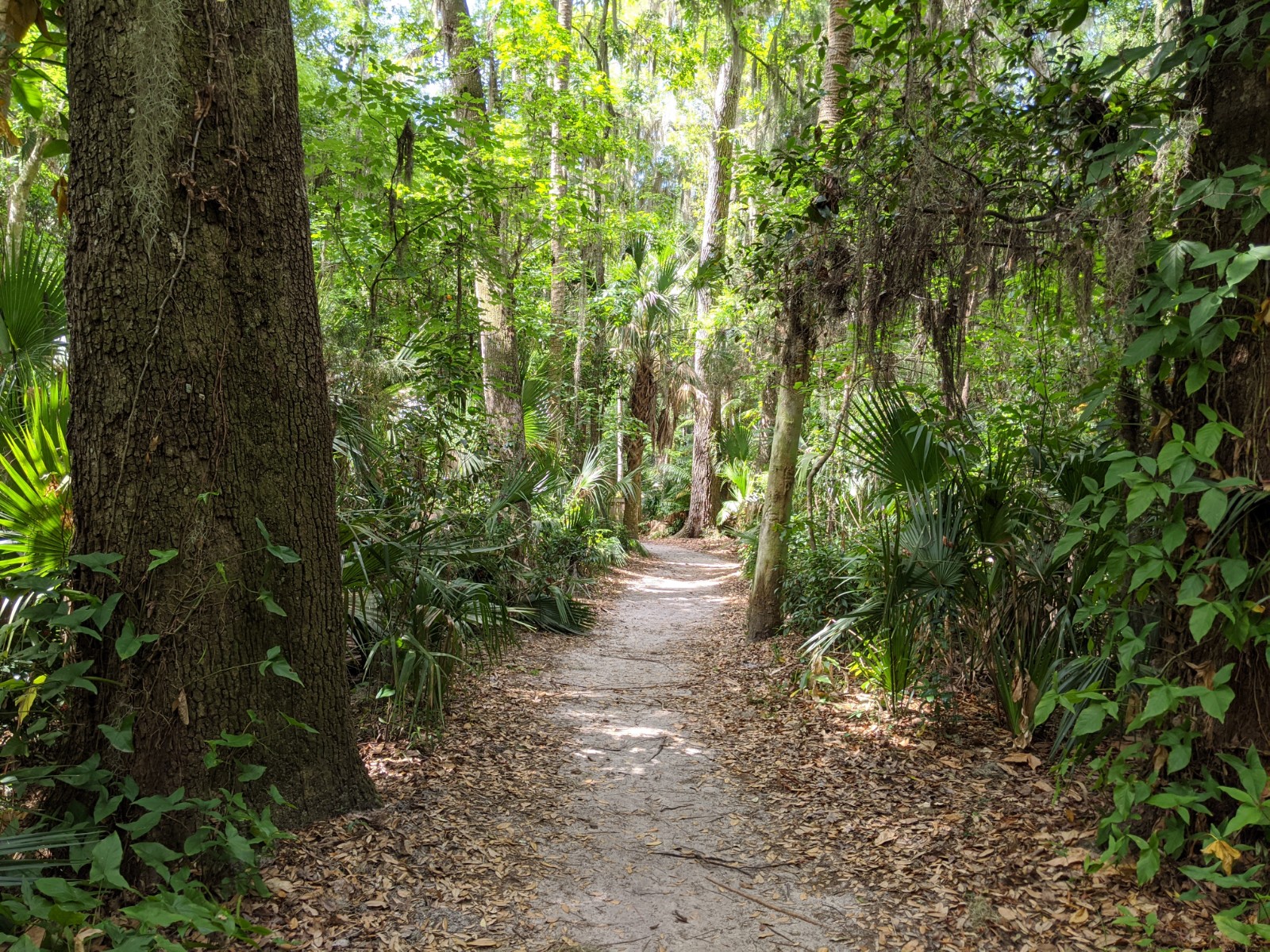
Nestled alongside scenic Lake Griffin in Leesburg, Bourlay Historic Nature Park features several short hiking trails, along with an old Florida cracker house (which serves as a visitor center), 1930’s Bourlay House and Barn (a private residence but one of the trails goes right by it), chickee hut, small fishing pier and kayak launch.

John Muir at Cedar Key


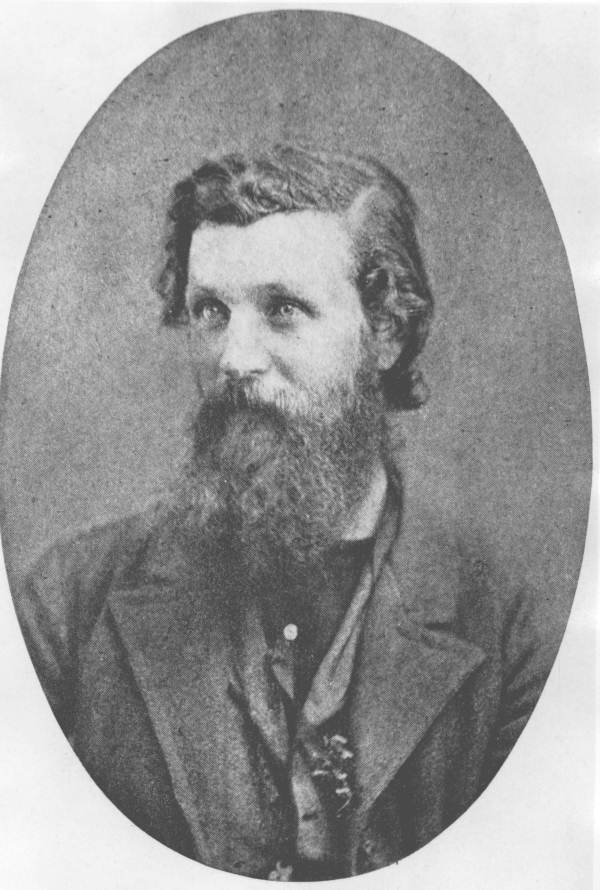
According to the Florida Historical Marker: “John Muir, noted naturalist and conservation leader, spent several months in Florida in 1867. He arrived at Cedar Key in October, seven weeks after setting out from Indiana on a ‘thousand-mile walk to the Gulf.’ Muir’s journal account of his adventure, which was published in 1916, two years after his death, includes interesting glimpses of the quality of life in the post-Civil War south. ‘The traces of war,’ he wrote, ‘are not only apparent on the broken fields, mills, and woods ruthlessly slaughtered, but also on the countenances of the people.’ Florida deeply impressed the twenty-nine year old Muir. He remembered the ‘watery and vine-tied’ land where ‘the streams are still young,’ which he had seen and sampled on his way from Fernandina. It was while recovering from a bout with malaria in Cedar Key that Muir first expressed his belief that nature was valuable for its own sake, not only because it was useful for man. This principle guided John Muir throughout his life. In early 1868, he left Cedar Key and eventually settled in California, where he helped establish the Yosemite National Park and, in 1892, the Sierra Club, which became one of our nation’s best known environmental organizations.”

Photo Credit: John Muir. ca 1870. Black & white photonegative, 3 x 5 in. State Archives of Florida, Florida Memory, accessed 21 May 2019.
Tragedy in U.S. History Museum Revisited

tragedy

Here are the contents of a couple of classic signs used to promote the long-defunct Tragedy in U.S. History Museum in St. Augustine:

“SEE Jayne Mansfield’s DEATH CAR … and learn the truth!”

“Inside You Will See: President Kennedy’s Car * Lee Harvey Oswald’s Car * The Ambulance He Died In * His Dallas Furniture and More * The Famous Zapruder Film * Bonnie and Clyde Getaway Car * Jayne Mansfield’s Car * Whistle from ‘Wreck of Old 97’ * Old Spanish Jail Built in 1718 Human Skeletons Inside * Antique Torture Equipment * Bear Traps * Flagler Tragedy * Elvis Presley’s Last Will and Much – Much More”

“Inside Tragedy Museum You Will See!
* President Kennedy’s Car
This is His Washington Limousine
* Jayne Mansfield Death Car
Famous Movie Star & the Truth of How She Died
* Also You Will See the Car Lee Harvey Used to Transport the Weapon that Killed the President
* See His Furniture from His Dallas Apartment
* See the Ambulance that Carried Him to His Death”

Braden Castle Ruins

Postcards

“In the early 1840s, two brothers, Dr. Joseph Addison Braden and Hector Braden, arrived from Tallahassee to what is now the town of Bradenton, seeking to rebuild their lost fortunes … Today, the remnants of Dr. Braden’s once stately manor can still be found in the center of Braden Castle Park, fenced off to the public but clearly visible. The broken slabs of tabby are slowly being reclaimed by Florida’s original occupants: birds, lizards, and mangrove trees.” – Atlas Obscura

The Vedder Museum, St. Augustine

veddermuseum

The brainchild of “Dr.” John Vedder (1819-1899), the Vedder Museum, which opened in the 1880s at the corner of Treasury and Bay streets in St. Augustine, may very well have been Florida’s first “tourist trap.” In addition to an impressive collection of snakes and alligators, The Vedder Museum drew in customers with an assortment of “natural oddities and curiosities.” Following Vedder’s death in 1899, the St. Augustine Historical Society, purchased his entire collection (however, the Vedder Museum building itself burned to the ground in 1914). By the way, seven-foot-wide Treasury Street itself was billed as “The Narrowest Street in the United States.”