The Vedder Museum, St. Augustine

veddermuseum

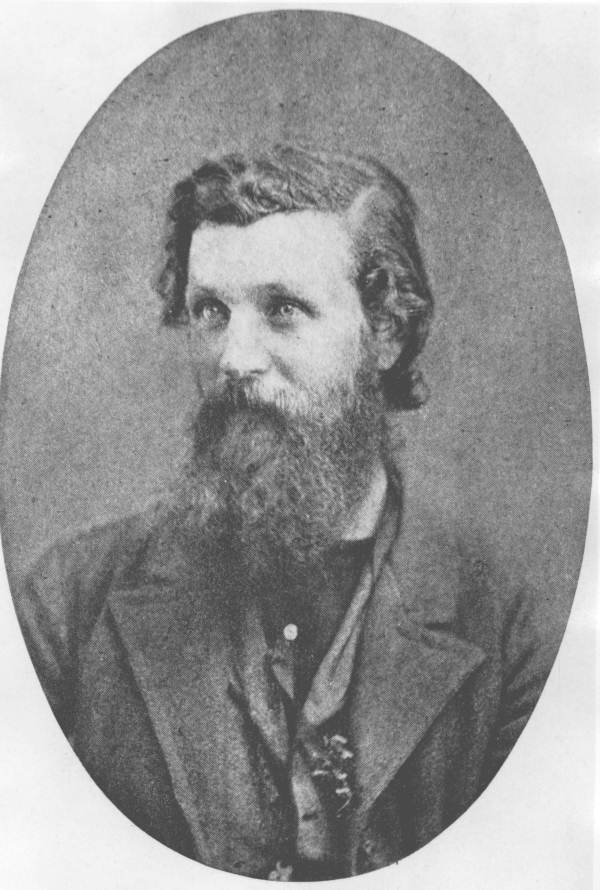
The brainchild of “Dr.” John Vedder (1819-1899), the Vedder Museum, which opened in the 1880s at the corner of Treasury and Bay streets in St. Augustine, may very well have been Florida’s first “tourist trap.” In addition to an impressive collection of snakes and alligators, The Vedder Museum drew in customers with an assortment of “natural oddities and curiosities.” Following Vedder’s death in 1899, the St. Augustine Historical Society, purchased his entire collection (however, the Vedder Museum building itself burned to the ground in 1914). By the way, seven-foot-wide Treasury Street itself was billed as “The Narrowest Street in the United States.”

JungleLand Zoo, Kissimmee

junglelandzoo.jpg

Best known for a huge concrete alligator (with a safari jeep clenched in its jaws and guide hanging on a rope for dear life!) at its entrance and the highly publicized escape of a 450-pound lion named “Nala” during the late 1990s, JungleLand Zoo first opened along U.S. 192 in Kissimmee in 1995 (an earlier attraction named Alligatorland Safari Zoo previously occupied the site) and featured more than 300 “exotic animals” on display (including African leopards, Bengal tigers, African caracal, a Siberian tiger and orangutan named “Radcliffe”), as well as a big cat show, “Bushmasters” Gator Show, “Magic of the Rainforest” magic show and other attractions. Nala’s brief adventure was documented in an article, “10 Weirdest Zoo Animal Escapes,” by CNN: “The declawed lion prowled the area, much to the chagrin of residents. Thankfully, no one was hurt. After a few days on the loose, Nala was found by a search team and returned to her pen.” JungleLand Zoo was also the home of “Stinker the Monkey.” Animal rights activists brought the heat on JungleLand Zoo for the alleged mistreatment of animals, but the owners and employees vehemently denied the claims. The Zoo was also reportedly cited by the Florida Fish and Wildlife Conservation Commission for several violations. Regardless, JungleLand Zoo, facing a steep drop in attendance due to the 9/11 terrorist attacks, closed its doors for good in 2002.

Orange County Regional History Center


“The Orange County Regional History Center, housed in a historic courthouse in the heart of downtown Orlando, offers four floors of exhibits exploring 12,000 years of Central Florida’s rich heritage. A Smithsonian affiliate, the museum also offers visiting exhibitions and a wide range of programs for families, children, and adults.”

Old Fort Park


Listed on the National Register of Historic Places, the mysterious “Turnbull Ruins” are located within Old Fort Park off Riverside Drive in New Smyrna Beach. Constructed of coquina, the foundation features walls five-and-a-half feet thick. Some historians believe that the ruins may have once served as the foundation a Spanish fort that predates the Castillo de San Marcos in St. Augustine, while others claim they are simply the ruins of a mansion belonging to Scottish physician Andrew Turnbull (1718-92), who established the colony of New Smyrna in 1768.

A historical marker at the site reads: “This coquina foundation rests within a shell midden from the Timucuan Indian era. Mystery still surrounds the origin of this foundation. Jane and John Sheldon built a large hotel on this mound circa 1859. During the Civil War, the structure was destroyed by cannon fire from Union ships. After the Civil War, Jane Sheldon built a smaller structure that served as a pioneer general store, port collector’s office, boarding house and print shop, which published The Florida Star, one of the region’s early newspapers. Structural problems forced the building’s removal circa 1900.”

Old Fort Park also serves as the home of the historic New Smyrna Beach Free Library, which today houses the New Smyrna Beach Community Redevelopment Agency. In addition, the New Smyrna Museum of History can be found at 120 Sams Avenue, just one block from Old Fort Park (115 Julia Street).

Logun’s Lobster House

loguns2

“On the south end of Duval Street, just before you hit the water, there used to be a restaurant flanked by red fringed umbrellas with a thatched tiki bar inside. ‘Logun’s Lobster House’ the sign read, and if you wandered into the seaside lot on the right night in the early ’70s, you might have heard a long-haired young Jimmy Buffett play with his band.

‘The first gig we did as the Coral Reefer Band, we did at Logun’s Lobster House, and it was a dollar a ticket,’ says Jimmy Buffett. ‘David had a table on the front row, and at the table was Truman Capote, John Malcolm Brinnin, Dotson Rader, and a few other people.’

The ‘David’ in question was David Wolkowsky, longtime friend and patron of Buffett’s. A few years before the Logun’s gig, in 1968, Wolkowsky opened the Pier House Resort at the north end of Duval Street. The Miami Herald called the opening ‘the turning point in Key West’s transformation from washed-up military outpost to funky tourist destination.’ Wolkowsky recognized the glitter of Key West under the grime of neglect and economic depression. And he recognized something special in Jimmy Buffett. ‘One of the great attributes of his was his tolerance of crazy people … me included,’ he says.” – Keys Weekly

Stetson Football

stetsonfootball

Here is a great shot of the Stetson University football team sometime between 1898 and 1910. Stetson University dropped football in 1956, but reinstated the sport in 2013. Today, the Stetson Hatters compete in the Pioneer Football League and play their home games at 6,000-seat Spec Martin Stadium in DeLand. In 2018, the Hatters finished their season 8-2, which was their first winning record since renewing the program.