Jimmy Buffett

“It was the seventies, and Key West was cooking. A strange collection of shrimpers, gays, dope dealers, crooked politicians, hippies and tourists roamed the quaint streets of the little town at the end of the world.” – Jimmy Buffett, Where is Joe Merchant?

“Jimmy literally made Phil [Clark] a legend with that one song [‘A Pirate Looks at Forty’]. It was one of the high points of Phil’s life, I would say.” – Vic Latham

“Success turned Jimmy Buffett into a human tourist attraction …” – The Rolling Stone Album Guide

“I love the Church of Buffett because they don’t think I’ve done anything worth a shit since 1974. I tend to disagree with them, but I love the fact that the people that don’t like me still like me.” – Jimmy Buffett

“The Island Hotel [in Cedar Key] is a throwback … It’s a small old hotel – the kind of place where they couldn’t really care less whether you come, as opposed to those overmarketed tourism spots.” – Jimmy Buffett

 “… a pleasant hang with a multimillionaire who’s got a chill philosophical side.” – Rolling Stone on Life on the Flip Side, Jimmy Buffett’s 30th studio album


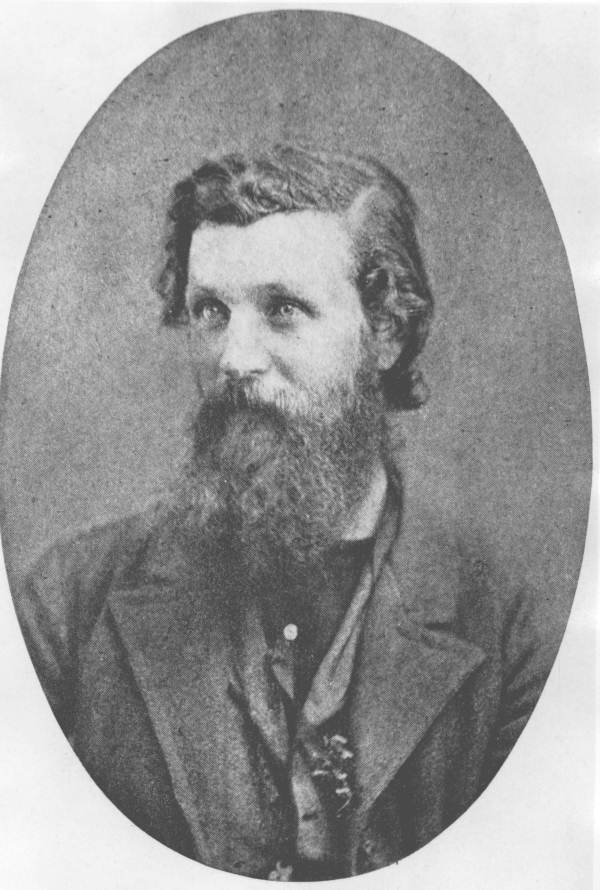
John Muir at Cedar Key


According to the Florida Historical Marker: “John Muir, noted naturalist and conservation leader, spent several months in Florida in 1867. He arrived at Cedar Key in October, seven weeks after setting out from Indiana on a ‘thousand-mile walk to the Gulf.’ Muir’s journal account of his adventure, which was published in 1916, two years after his death, includes interesting glimpses of the quality of life in the post-Civil War south. ‘The traces of war,’ he wrote, ‘are not only apparent on the broken fields, mills, and woods ruthlessly slaughtered, but also on the countenances of the people.’ Florida deeply impressed the twenty-nine year old Muir. He remembered the ‘watery and vine-tied’ land where ‘the streams are still young,’ which he had seen and sampled on his way from Fernandina. It was while recovering from a bout with malaria in Cedar Key that Muir first expressed his belief that nature was valuable for its own sake, not only because it was useful for man. This principle guided John Muir throughout his life. In early 1868, he left Cedar Key and eventually settled in California, where he helped establish the Yosemite National Park and, in 1892, the Sierra Club, which became one of our nation’s best known environmental organizations.”

Photo Credit: John Muir. ca 1870. Black & white photonegative, 3 x 5 in. State Archives of Florida, Florida Memory, accessed 21 May 2019.