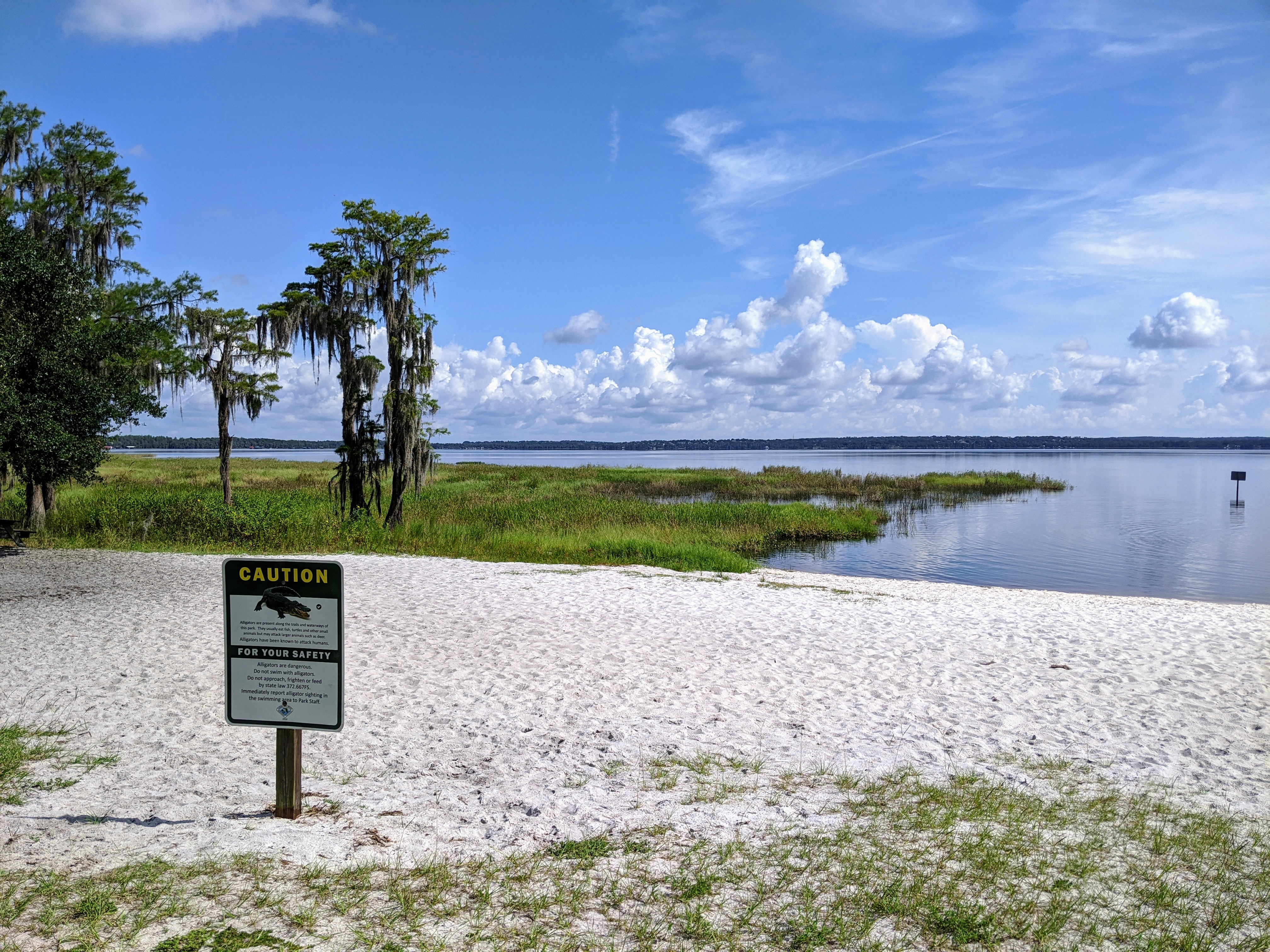
Lake Louisa State Park

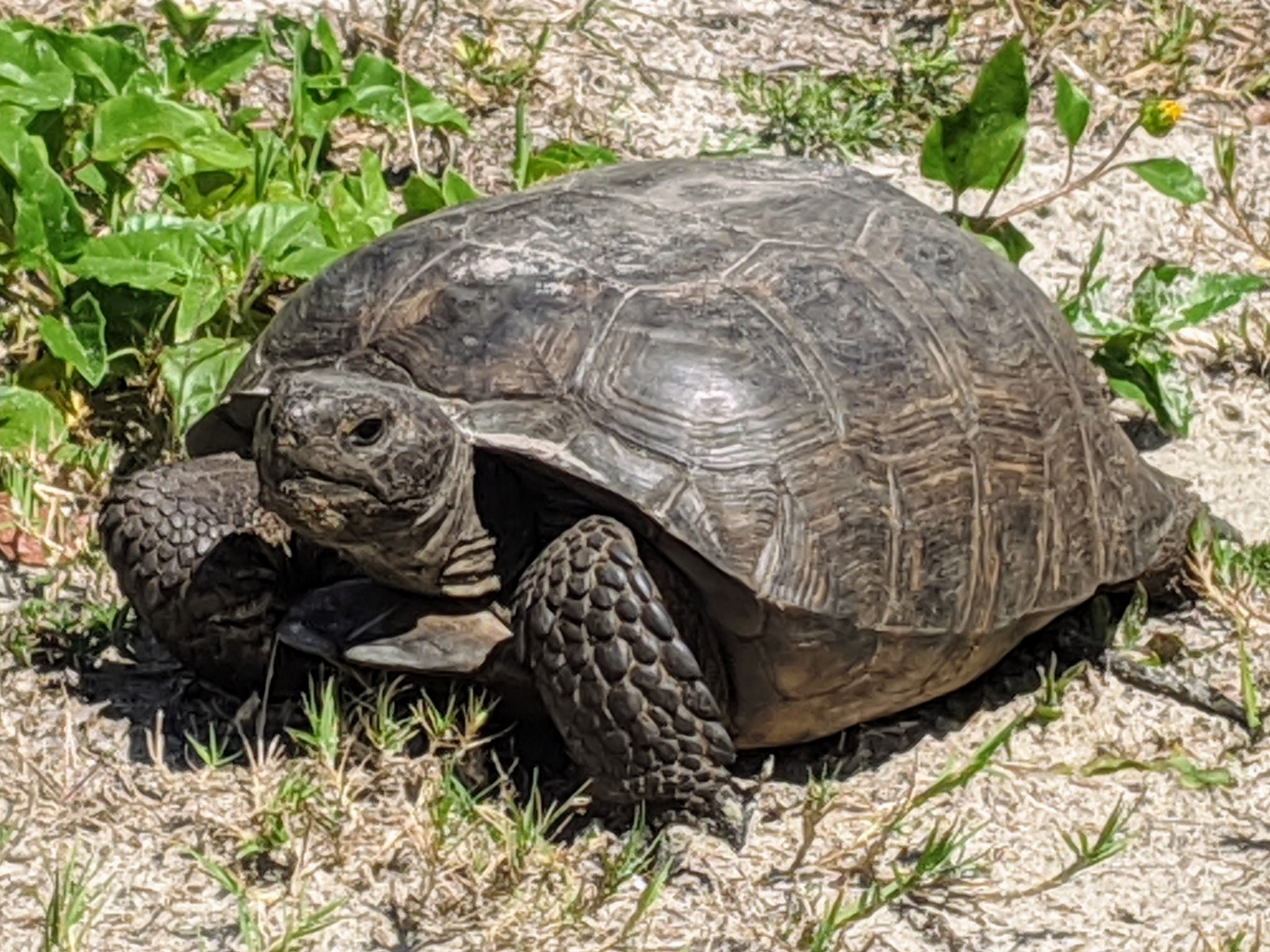
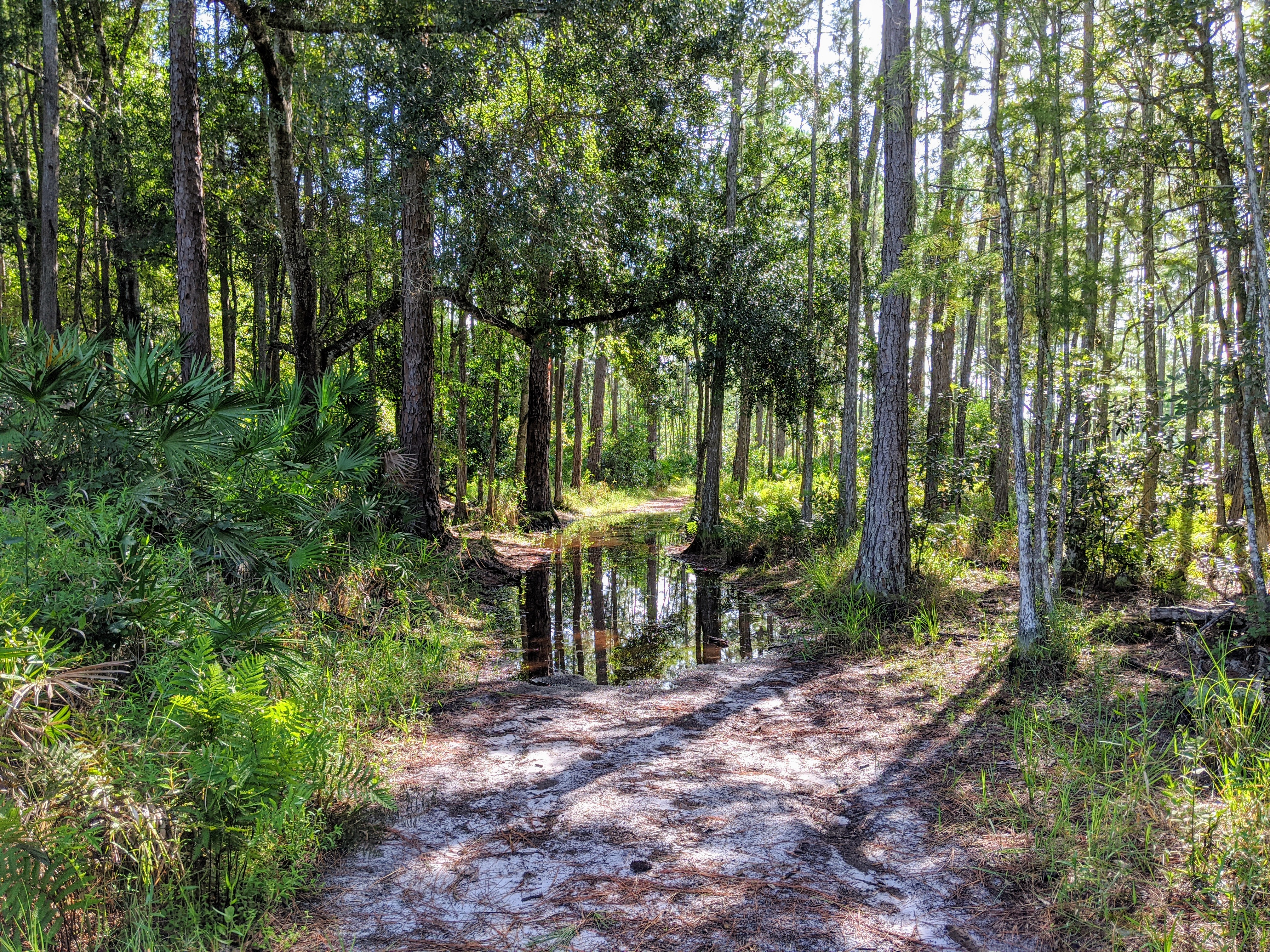
The other day I hiked Lake Louisa State Park for the first time. I decided to hike a 2-mile loop around Bear Lake because it sounded pretty cool. Although I didn’t run into any bears, I did see three deer and a gopher tortoise. I also viewed Lake Louisa, Big Creek and Wilderness Point (a primitive camping area). I will definitely be back soon to check out some of the other hiking trails at this huge state park in Clermont.

Ponce Inlet Revisited

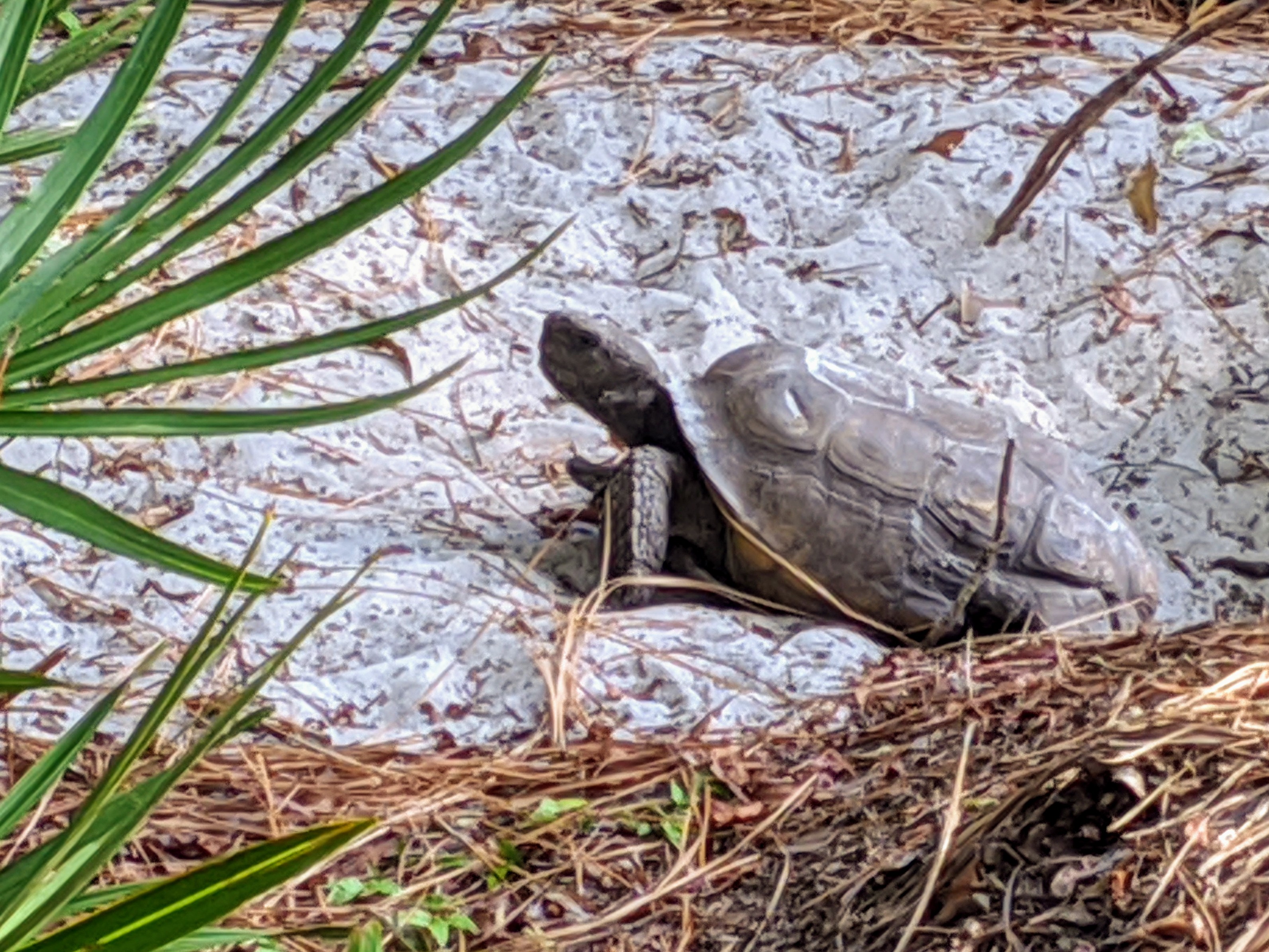
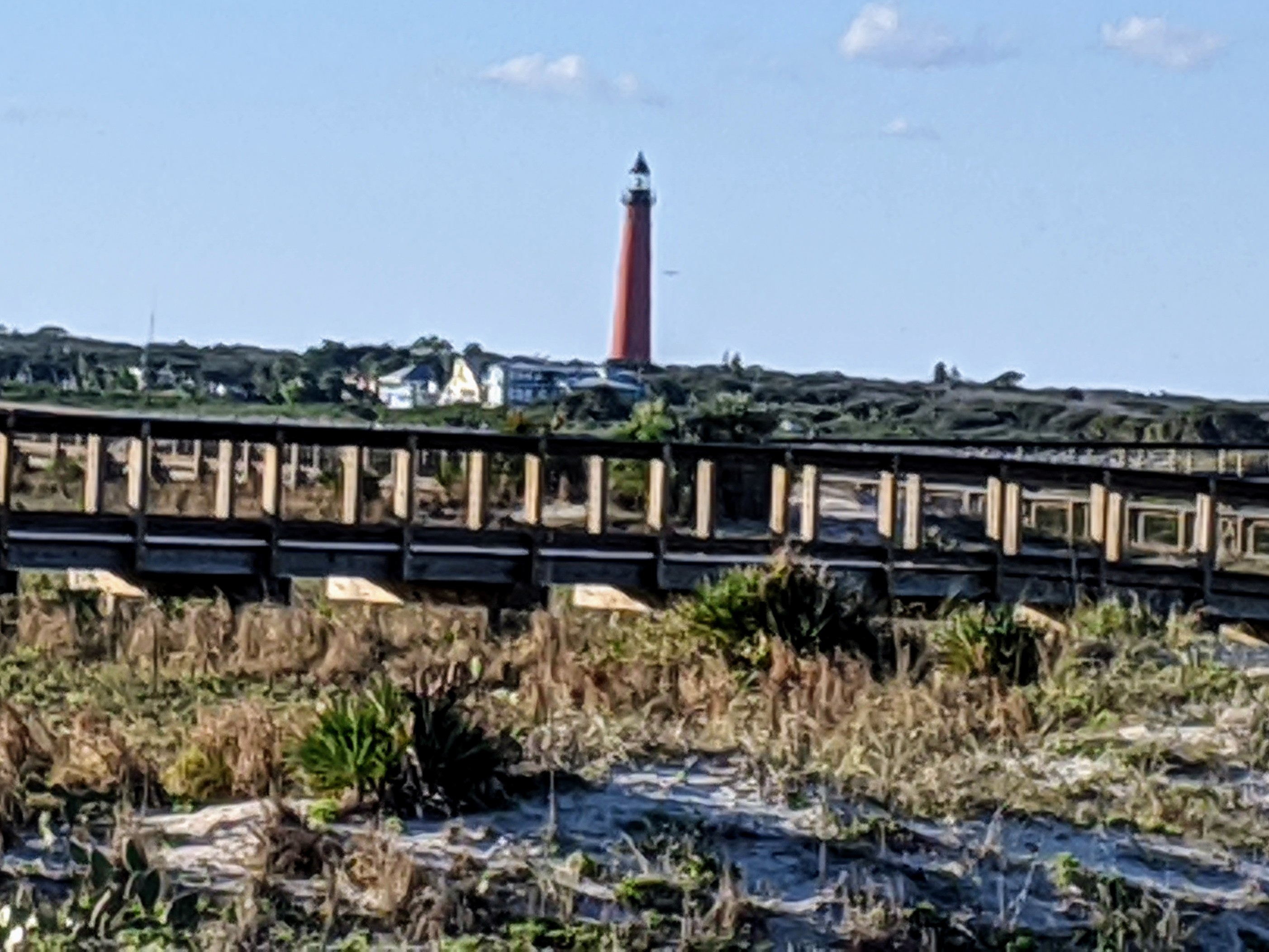
We arrived at Lighthouse Point Park in Ponce Inlet early on Friday to attempt some beach time before the crowds started descending for Memorial Day Weekend. However, when we arrived just after 8 AM, the parking lot was full. So, we parked at the Marine Science Center (which has been closed temporarily to help slow the spread of the coronavirus). Fortunately, the beach was nearly deserted because just about all the cars in the parking lot were owned by surfers (at least 100!) already out on the water. And let me tell you, there were definitely some huge waves on this day! The rip tide was intense as well and we saw a couple of young ladies get rescued by a lifeguard. Also, we roamed around the boardwalk and saw six Florida gopher tortoises in the dunes. On the way back, we hit DJ’s Deck in Port Orange for a great lunch (it’s all outside and tables were a good distance apart). Bottom line: An awesome way to start the long holiday weekend!

The Tortoises of Tibet-Butler Preserve

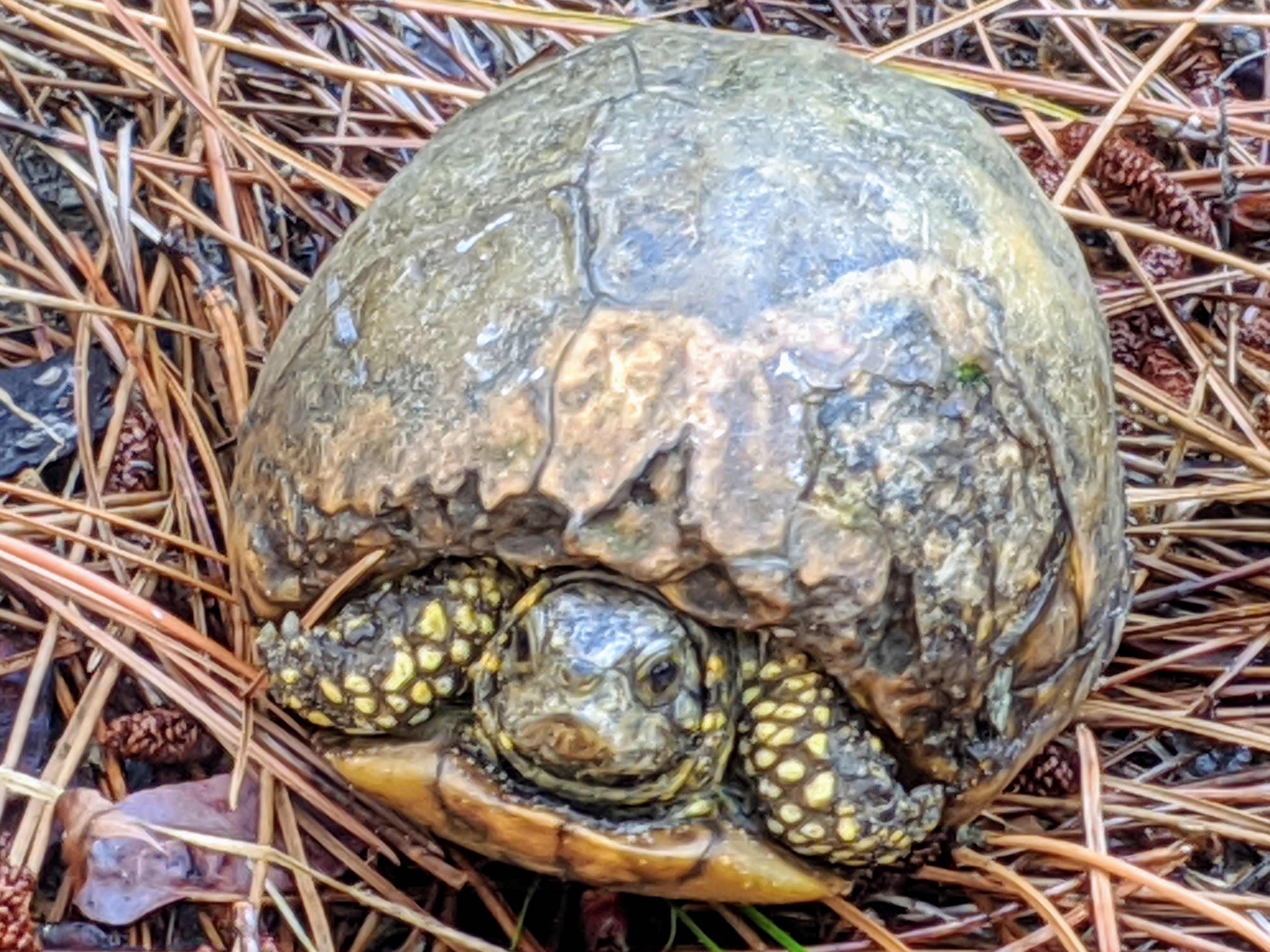
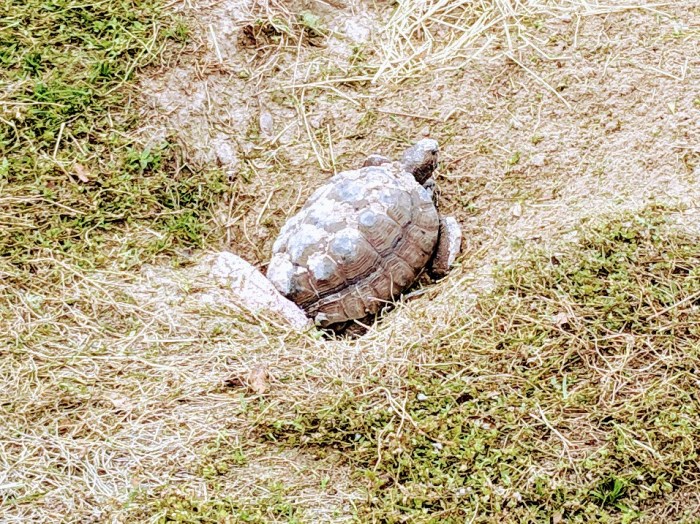
During your next visit to Tibet-Butler Preserve, don’t miss the tortoise habitats that surround the Vera Carter Environmental Center at the entrance. Here are just a few of the tortoises that call Tibet-Butler Preserve home.

Smyrna Dunes Park

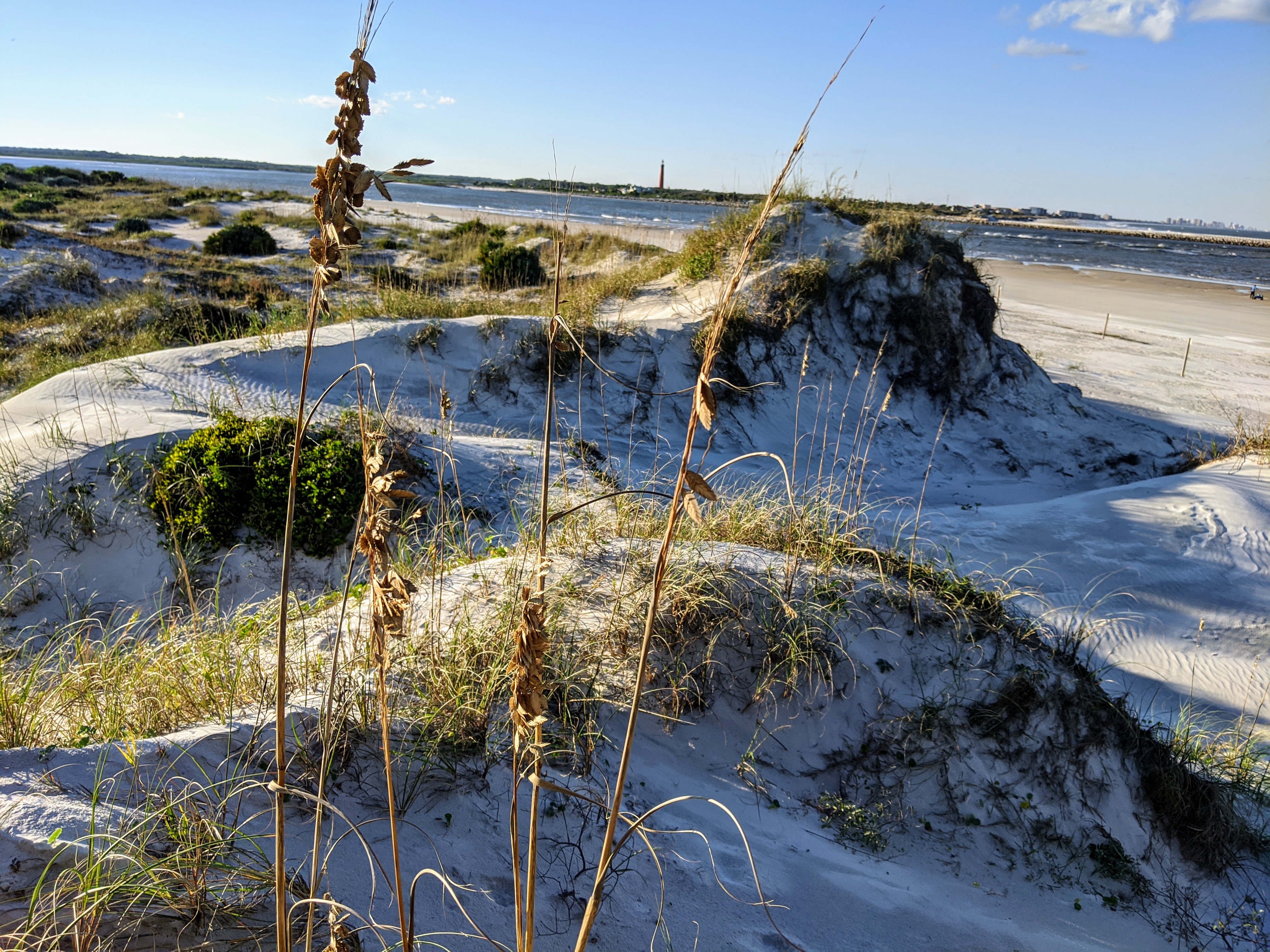
With a 1.5-mile-long boardwalk that meanders over vast sand dunes and overlooks white-sand beaches, Smyrna Dunes Park in New Smyrna Beach is the perfect spot for a family outing! We spotted dozens of gopher tortoise burrows, but the weather was a little too chilly for the friendly critters to leave the confines of their homes. We will be back soon!

Gopher Tortoise, Oakland Nature Preserve

gophertortoise

One of our favorite hikes is taking a stroll along the boardwalk to Lake Apopka at Oakland Nature Preserve. This time out we saw a rat snake slithering down a tree, a baby alligator unsuccessfully attempting to eat a baby turtle and this friendly gopher tortoise trying to get some sun. Nice outing!

Save the Florida Gopher Tortoise

gophertortoise

  • Florida Gopher Tortoises (Gopherus polyphemus) are land-based, cold-blooded reptiles with wide flat claws that live in dry, sandy area with plenty of low-growing vegetation and do not know how to swim.
  • Florida Gopher Tortoises average 10-15 inches long and 8-15 lbs. in weight.
  • Florida Gopher Tortoises live from 40 to 60 years in the wild and can live more than 100 years in captivity.
  • Florida Gopher Tortoises dig burrows in the ground – usually between 15 and 30 feet in length.
  • Florida Gopher Tortoises are considered “keystone species” since their burrows provide shelter (from predators, extreme temperatures, fires, droughts and hurricanes) to approximately 360 other species of wildlife, including the Eastern Indigo Snake, Florida Mouse, Black Pine Snake and Gopher Frog.
  • Florida Gopher Tortoises can be found in each of Florida’s 67 counties, as well as South Carolina, Alabama, Mississippi, Louisiana and Georgia.
  • Florida Gopher Tortoises spend approximately 80 percent of their life underground (although this may fluctuate dramatically due to environmental conditions).
  • Florida Gopher Tortoises are protected as state-designated threatened species by Florida’s Endangered and Threatened Species Rule.
  • Florida Gopher Tortoises are recognized annually in the Sunshine State on Florida Gopher Tortoise Day on April 10.
  • Florida Gopher Tortoises are found in many different habitats, including mixed hardwood-pine communities, coastal grasslands and dunes, dry prairie, pine flatwoods and scrub.
  • Florida Gopher Tortoises are the only tortoise species of genus Gopherus found east of the Mississippi River (the other species being Mojave Desert Tortoise, Texas Tortoise, Bolson Tortoise, Sonoran Desert Tortoise and Sinaloan Desert Tortoise).
  • Florida Gopher Tortoises are primarily herbivores that eat grasses, saw palmetto berries, blackberries and blueberries, gopher apples, prickly pear cactus pads and mushrooms (although they also will occasionally eat bones from dead animals).
  • Florida Gopher Tortoises live in colonies that may number up to 50 tortoises (with sub-groups called pods).
  • Florida Gopher Tortoises face a significant threat due to both habitat destruction and land fragmentation.

As a threatened species, gopher tortoises “are protected under state law, Chapter 68A-27 of the Florida Administrative Code (F.A.C.). Property owners must obtain relocation permits from the Florida Fish and Wildlife Commission (FWC) to relocate all gopher tortoises before any land clearing or development activities can take place,” according to the FWC. For more information about the Florida Gopher Tortoise, visit the Gopher Tortoise Education Corner at the FWC website.

Hike #39: Enchanted Forest Sanctuary


Hike #39: 52 Hike Challenge: Enchanted Forest Sanctuary, Titusville. A well-maintained and diverse trail system winds its way through the immensely popular Enchanted Forest Sanctuary. That is why we got there right before the Sanctuary opened at 9 AM. However, there was already a group of Boy Scouts gathering in the parking lot, so we signed in quickly and headed on our way so we could have the trails to ourselves for a little while. The Enchanted Forest Sanctuary encompasses five basic habitat types: pine flatwood, prairie, oak, scrub, and mesic and hydric hammock. Our favorite trail was the Magnolia Loop, which features some majestic live oaks. The tail end of the Coquina Trail is also very cool. Also, don’t miss the chance to see the gopher tortoises at the entrance to the Sanctuary. All in all, a great hike! Distance: 3.1 miles.