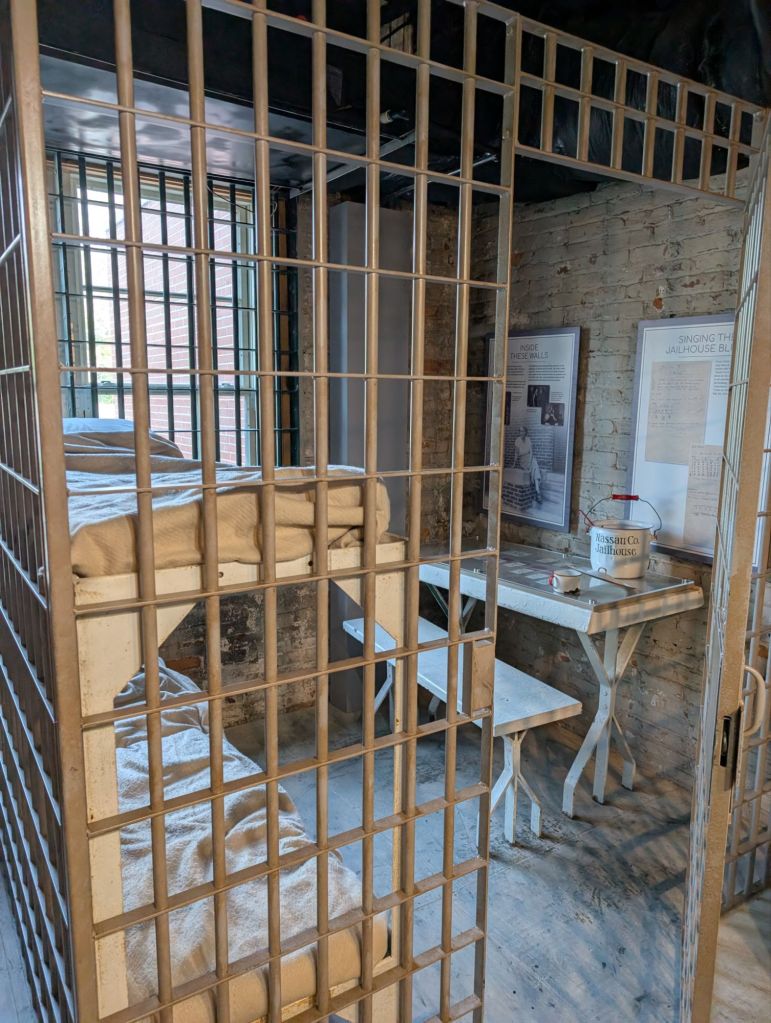
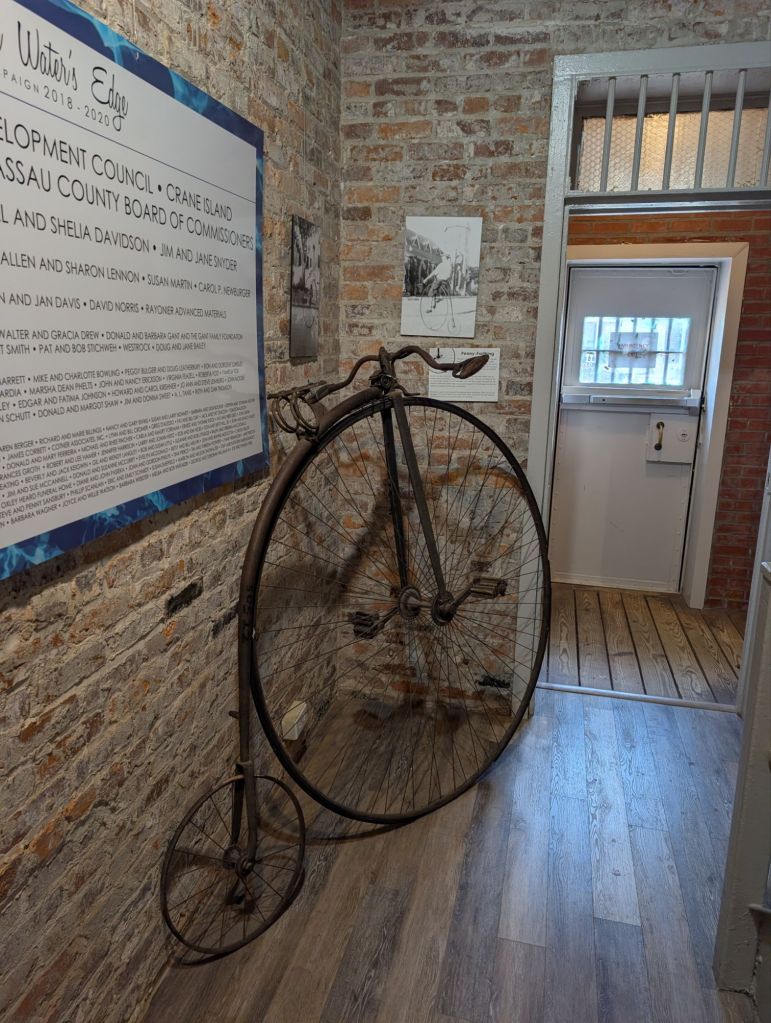
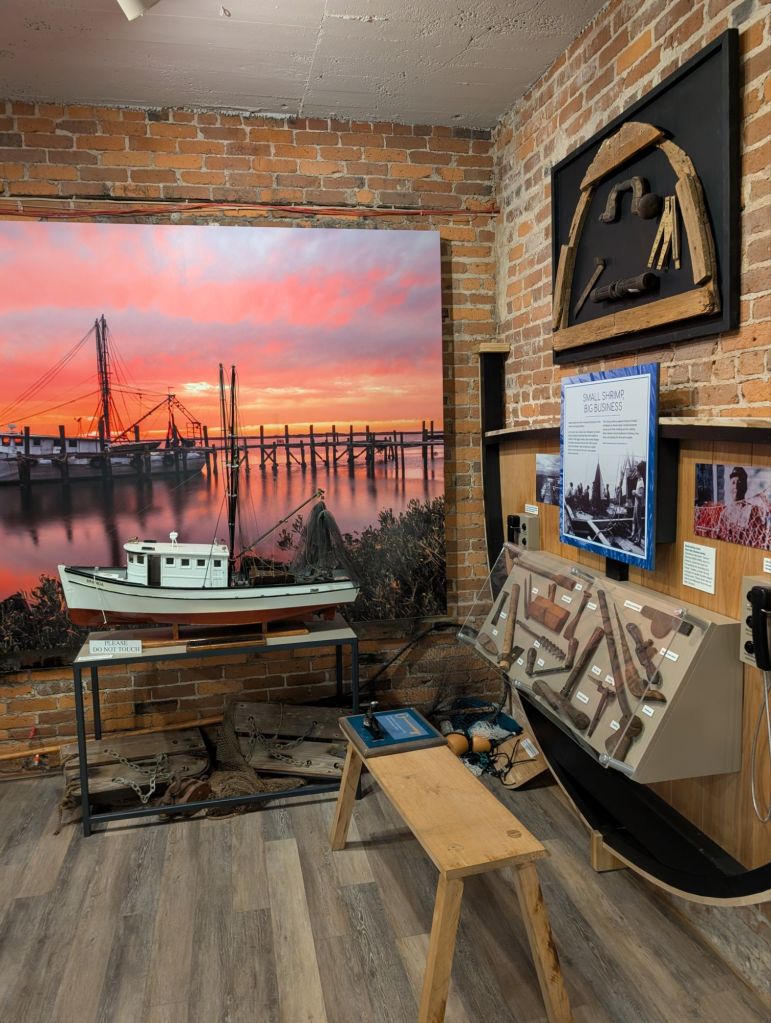
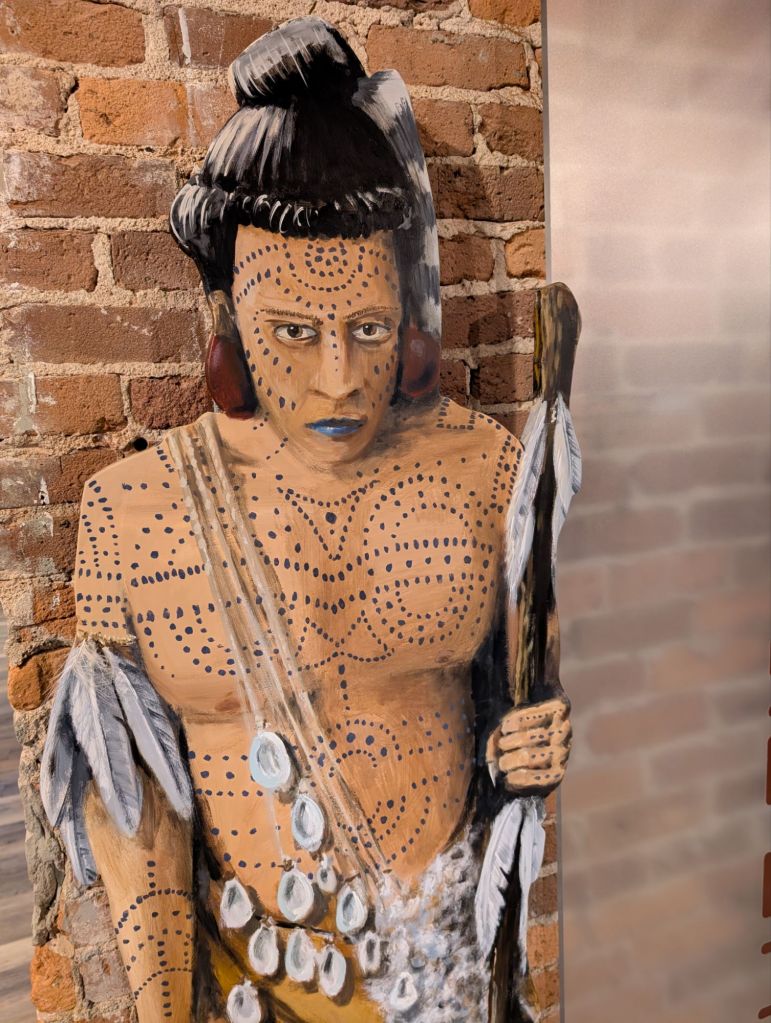
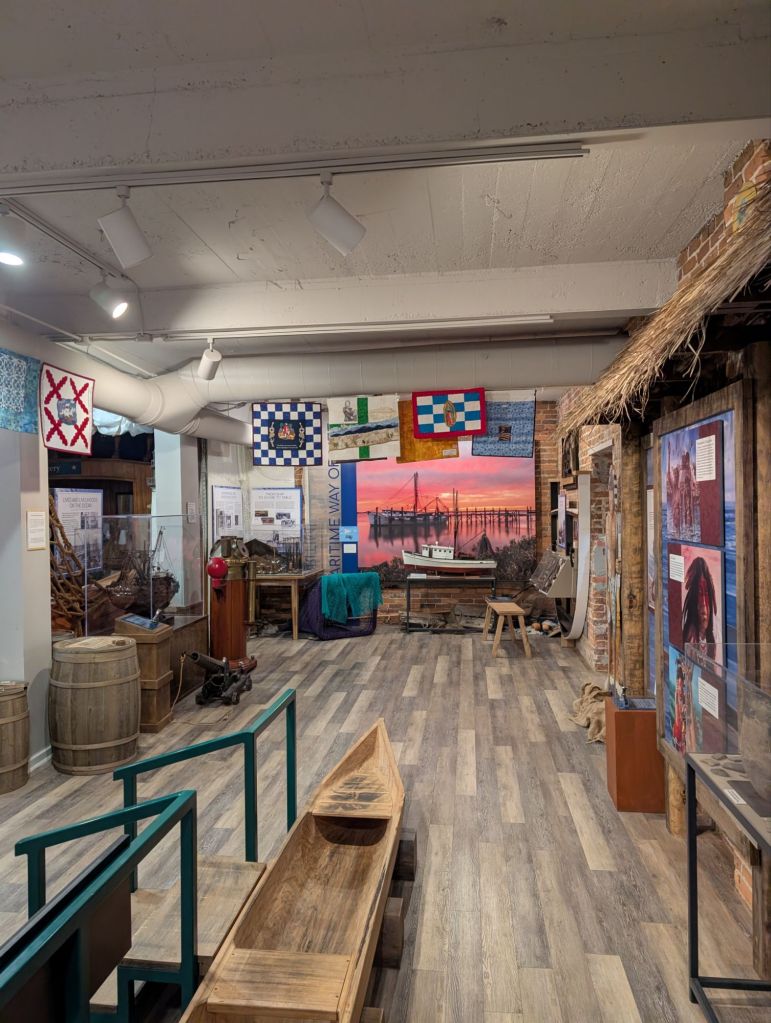
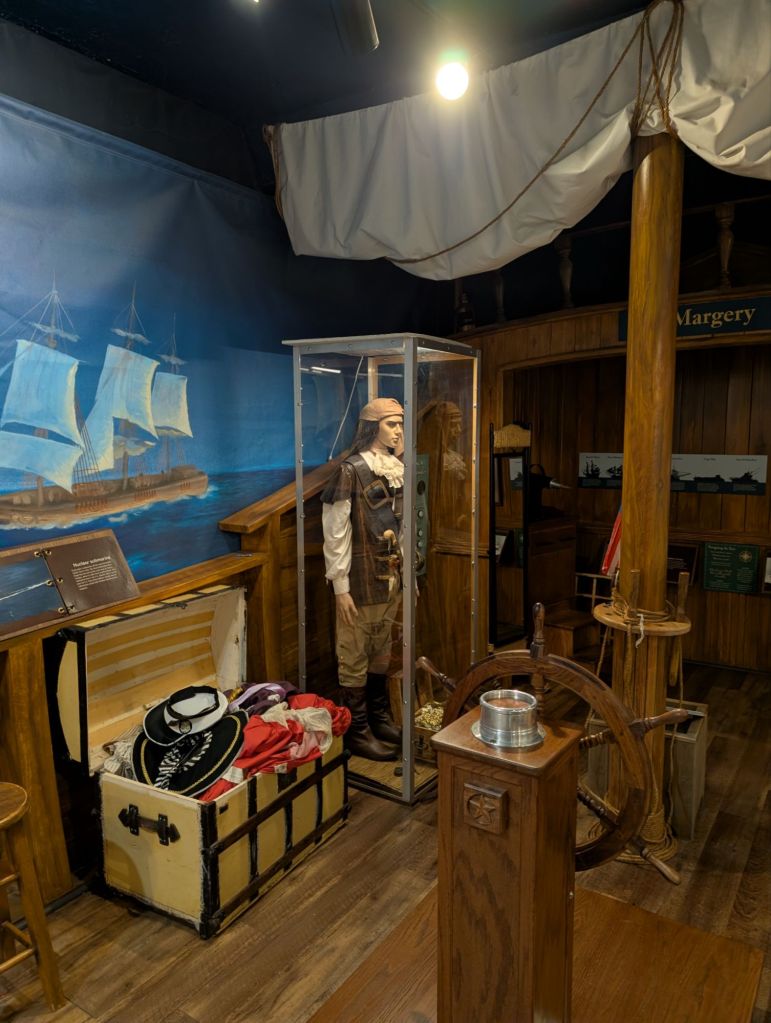
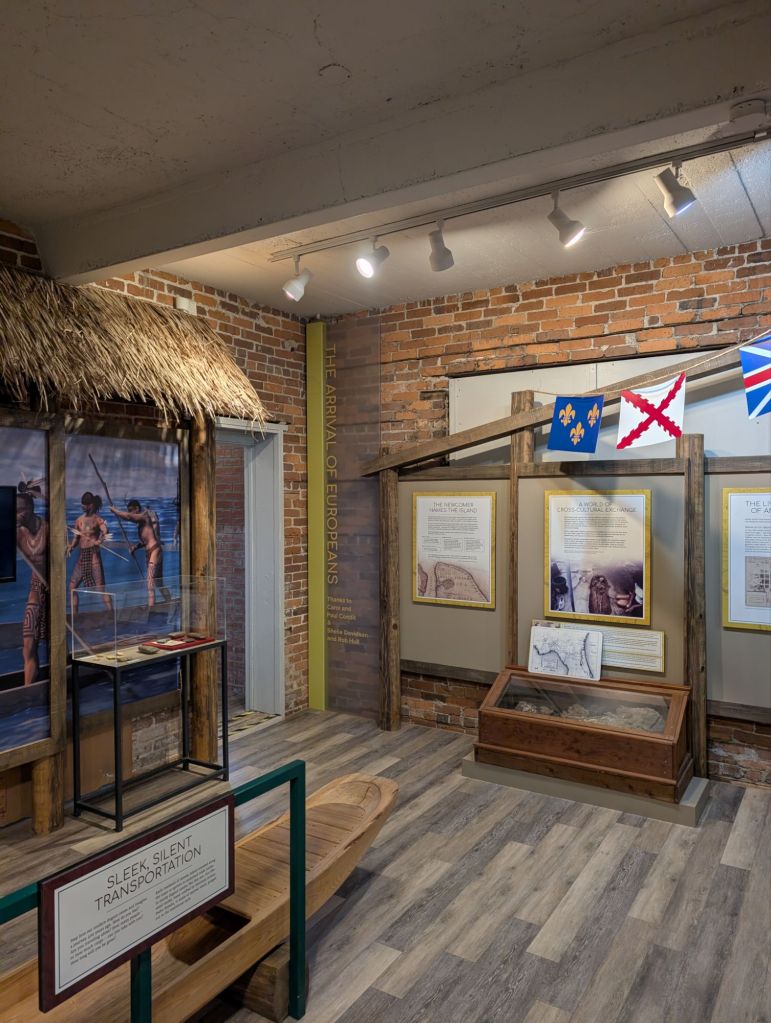
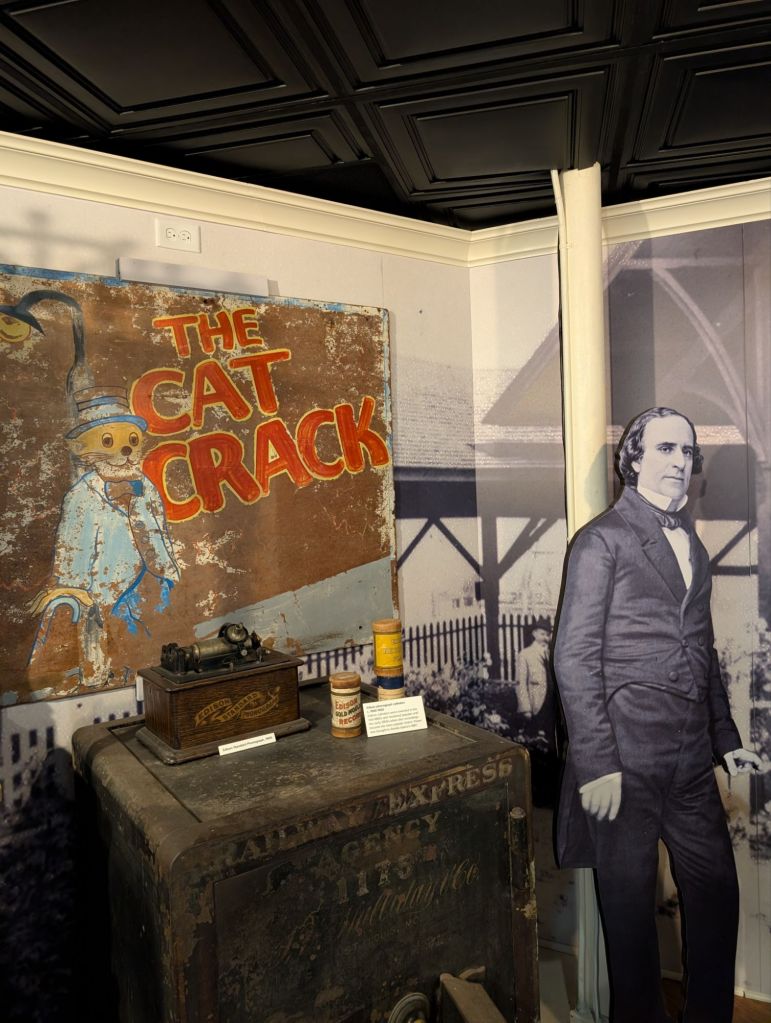
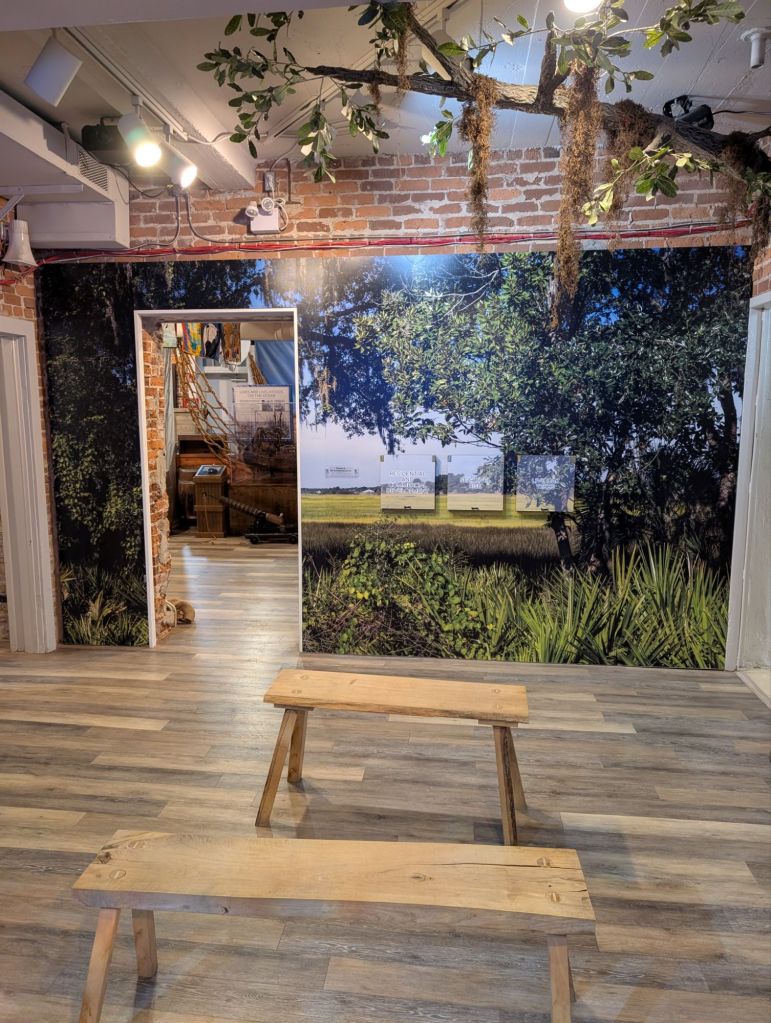
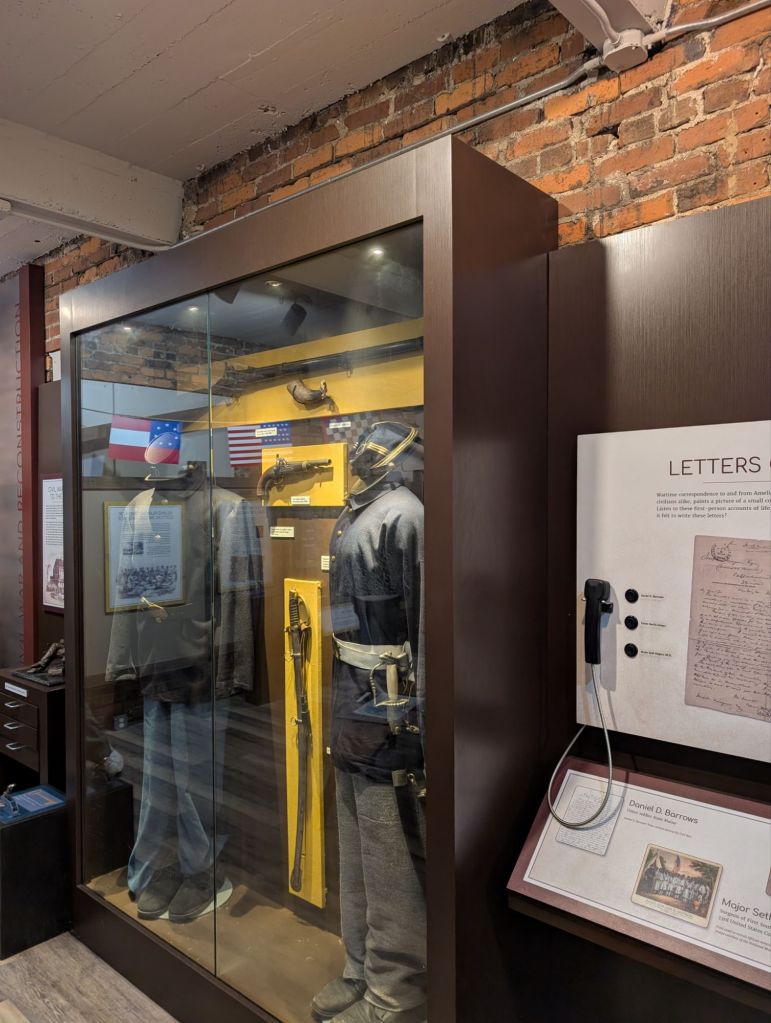
Learn all about the fascinating history of the “Isle of Eight Flags” at the Amelia Island Museum of History in Fernandina Beach!
Learn all about the fascinating history of the “Isle of Eight Flags” at the Amelia Island Museum of History in Fernandina Beach!
“Beginning in the summer of 1935, Arthur Rothstein, a twenty year old photojournalist, was sent on dozens of photography assignments by the federal government’s Resettlement Administration … The appointment allowed him to travel to the Florida Keys in 1938 to document the effects of the Depression. Rothstein’s remarkable and humbling photographs of spongers, cigar makers, barbers, fishermen, residents and architecture demonstrated the frailty and the resilience of communities along the island chain.”

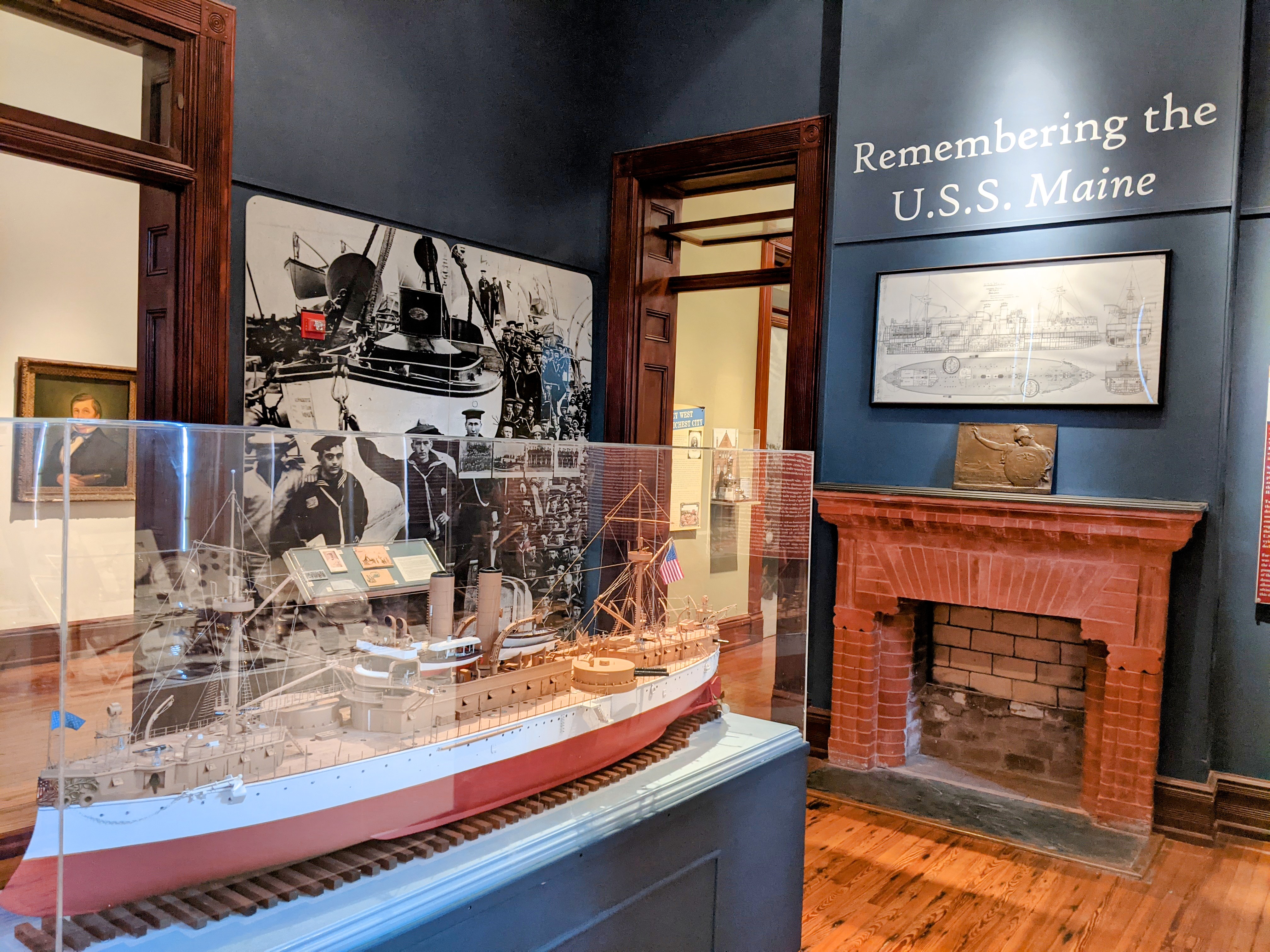
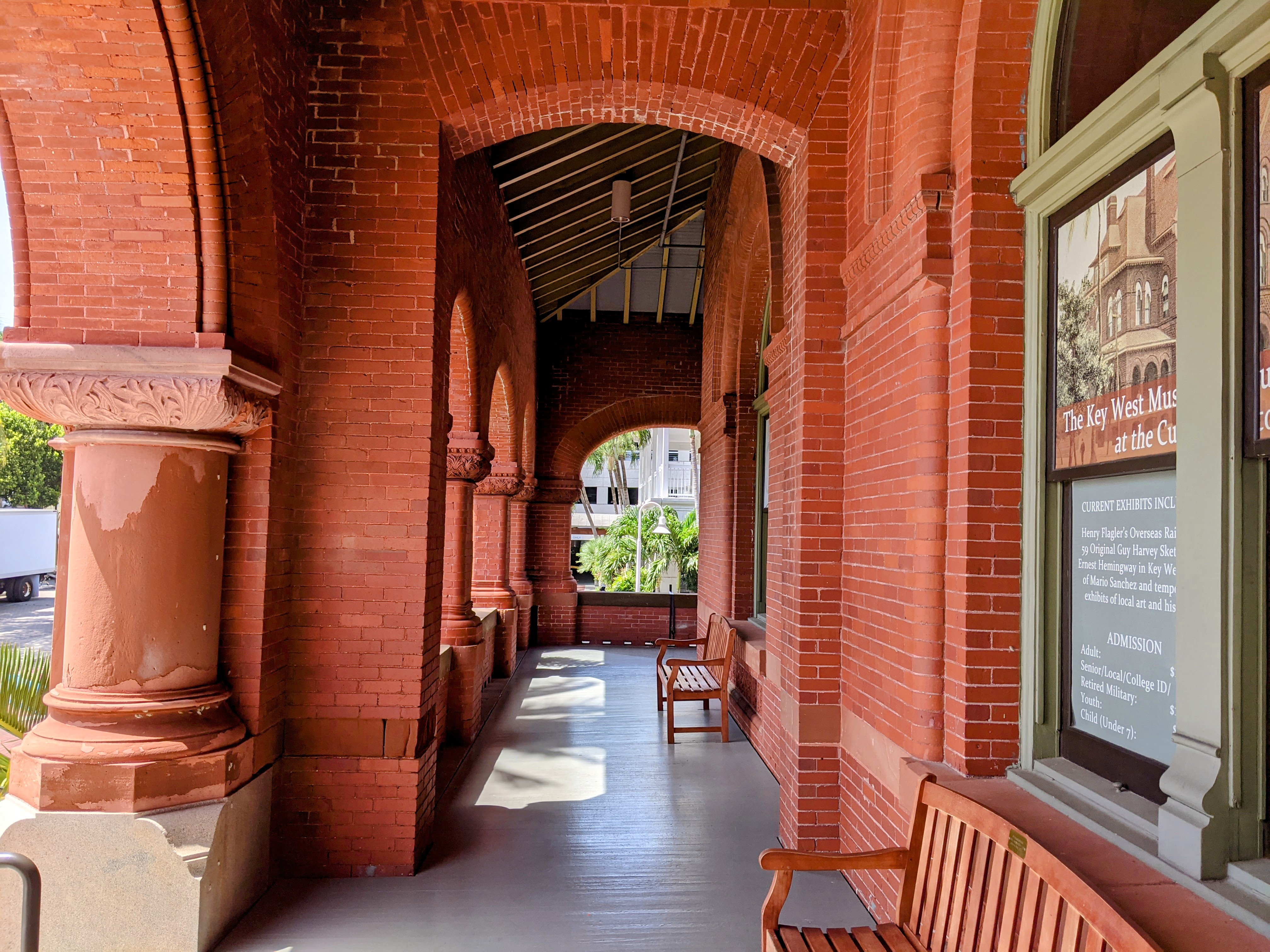
We have always walked by the Custom House in Key West and I always thought it looked like a cool building, but we never got around to actually going inside until this past visit. It’s definitely worth the effort! The Custom House is home to the Key West Museum of Art & History, which contains a treasure trove of fascinating exhibits and artifacts that include Ernest Hemingway, Henry Flagler’s Overseas Railway, the USS Maine, the great folk art of Mario Sanchez and much more. Don’t miss it!



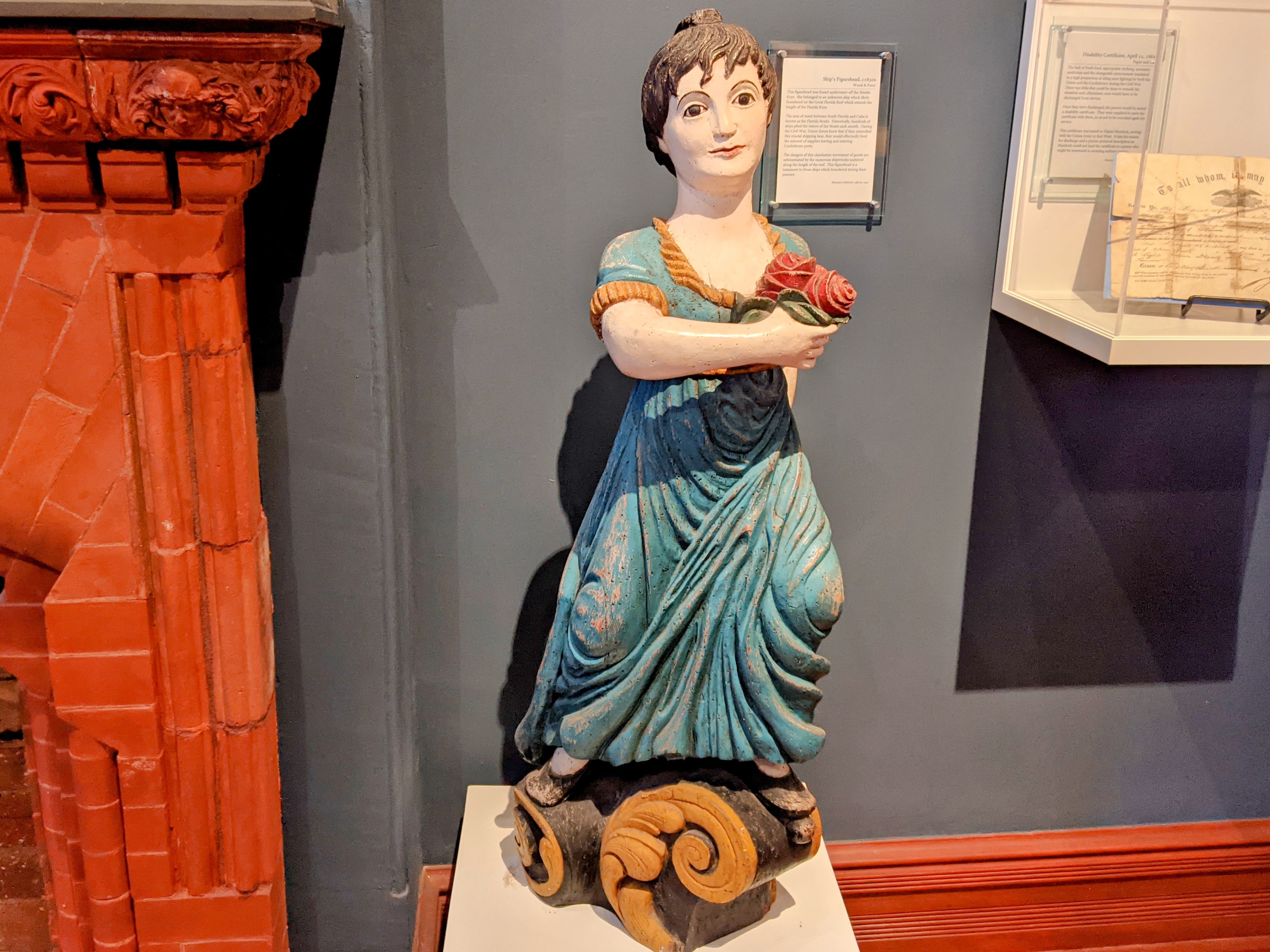


Housed in a Civil War-era fort with eight-foot-thick granite walls, the Fort East Martello Museum & Gardens contains a unique collection of artifacts, including the scrap metal junk sculptures of Stanley Papio, the Key West folk art of Mario Sanchez and, perhaps most famously, Robert the Haunted Doll, which once belonged to Key West artist Robert Eugene Otto (when in doubt, “Blame it on Robert!”). Other highlights of the museum include artifacts from the Florida East Coast Railroad, sponge industry and much more.
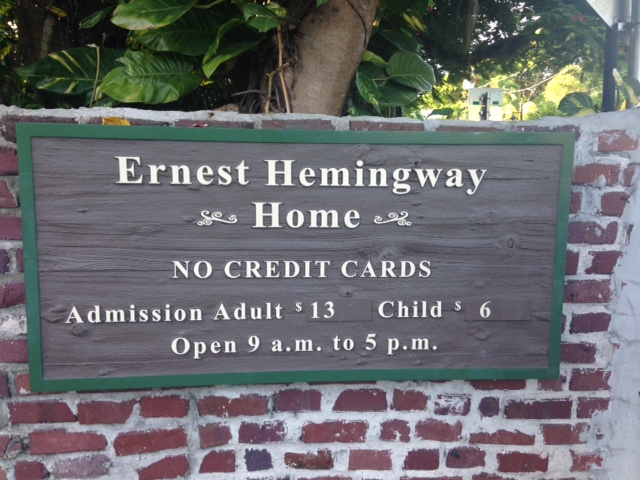
Built by 1851 by Asa Tift, a captain and ship’s architect, the house (the single largest residential property on the island) was bought by Ernest “Papa” Hemingway and his second wife, Pauline, in 1931 at a cost of $8,000 (it was actually a wedding gift from Pauline’s wealthy uncle, Gus). The couple lived there with their two sons, Patrick and Gregory (Ernest divorced Pauline in 1940 and married Martha Gelhorn three weeks later). Hemingway reportedly wrote the final draft of A Farewell to Arms, as well as classic short stories such as “The Snows of Kilimanjaro” and “The Short Happy Life of Francis Macomber,” at the house. He created a writing studio in the second floor of a carriage house on the property that was connected to the master bedroom by a walkway. A boxing aficionado, Hemingway built a ring in the backyard where he often sparred with local fighters. An in-ground, saltwater pool was added in 1938 at a cost of $20,000. Hemingway hired his friend and handyman Toby Bruce to build a high brick wall around the house as privacy from tourists anxious to catch a glimpse of the famous writer. Hemingway also hauled away a urinal from Sloppy Joe’s Bar to the house and turned it into a fountain in the yard. Approximately 40 to 50 polydactyl (six-toed) cats currently live on the grounds of the Hemingway Home. According to legend, the cats are descendants of Hemingway’s own six-toed cat, Snowball (however, Patrick has denied that his father owned any cats in Key West, only at his residence in Cuba, Finca Vigia). Designated a National Historic Landmark, the Ernest Hemingway Home is located at 907 Whitehead Street (across from the Key West Lighthouse).

Tragedy in U.S. History Museum, St. Augustine. “See Jayne Mansfield’s death car – learn the truth!” Some considered it in bad taste but the Tragedy in U.S. History Museum once served as a Mecca for roadside attraction aficionados. Opened in 1965 as the brainchild of L. H. “Buddy” Hough, the museum (basically a cluttered residential house located across the street from the “Authentic Old Jail”) featured such artifacts as Lee Harvey Oswald’s bedroom furniture, a wax figure of Oswald peering out of a window labeled “Texas School Book Depository,” a train whistle from “the wreck of the old 97,” antique torture equipment, a copy of Elvis’ last will and testament, the ambulance that carted Oswald away, a leather jacket once worn by James Dean, a frame-by-frame display of the Zapruder film and a limousine that John F. Kennedy once rode in (not the infamous Dallas limousine). In addition, the museum boasted the “death cars” of Bonnie and Clyde (actually the car used as a prop in the 1967 Bonnie and Clyde movie) and Jayne Mansfield (although it was the wrong make of car). Hough, who once claimed that on a good day that museum would get 10 visitors, battled with the City of St. Augustine for years in his efforts to open (he had to take his fight to the Florida Supreme Court), maintain and publicize his attraction (callers to the St. Augustine Chamber of Commerce were told that the museum had closed and they were snubbed by all of the official travel guides). According to Hough, in a 1989 interview with the Florida Times-Union, “Every human being has a morbid curiosity.” In another interview, Hough stated, “Tragedy is what made us great as Americans. Tragedy is what sticks with people. And the things that go with tragedies are very valuable. People want to see them and remember them. I don’t care what others say.” Hough passed away in 1996, the museum closed in 1998 and all the artifacts were auctioned off. As a side note, I was fortunate enough to visit the Tragedy in U.S. History Museum in the early 1990s and it was an unforgettable experience!


 Wandering Florida