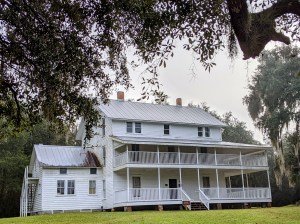
Thursby House at Blue Spring State Park

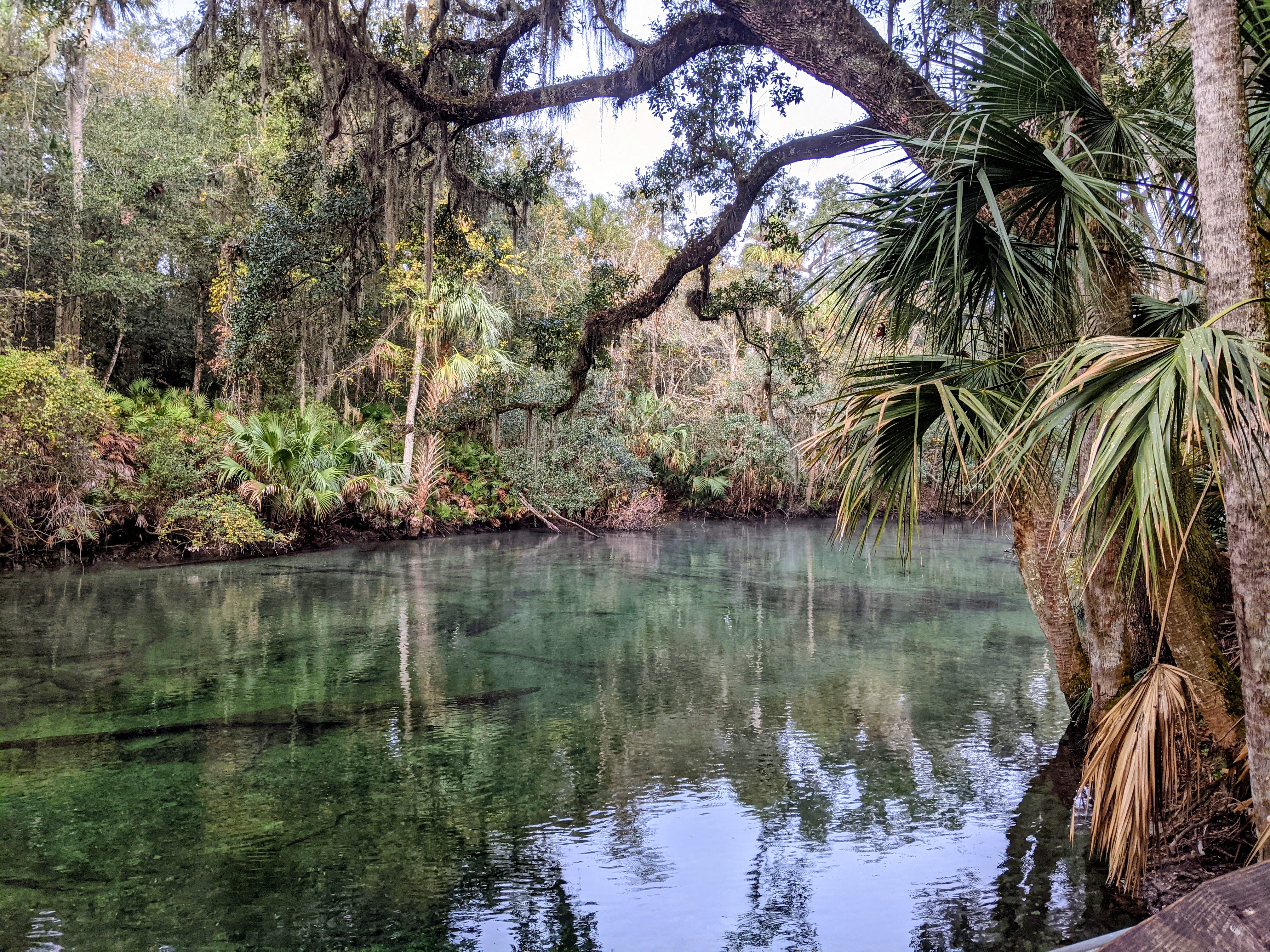
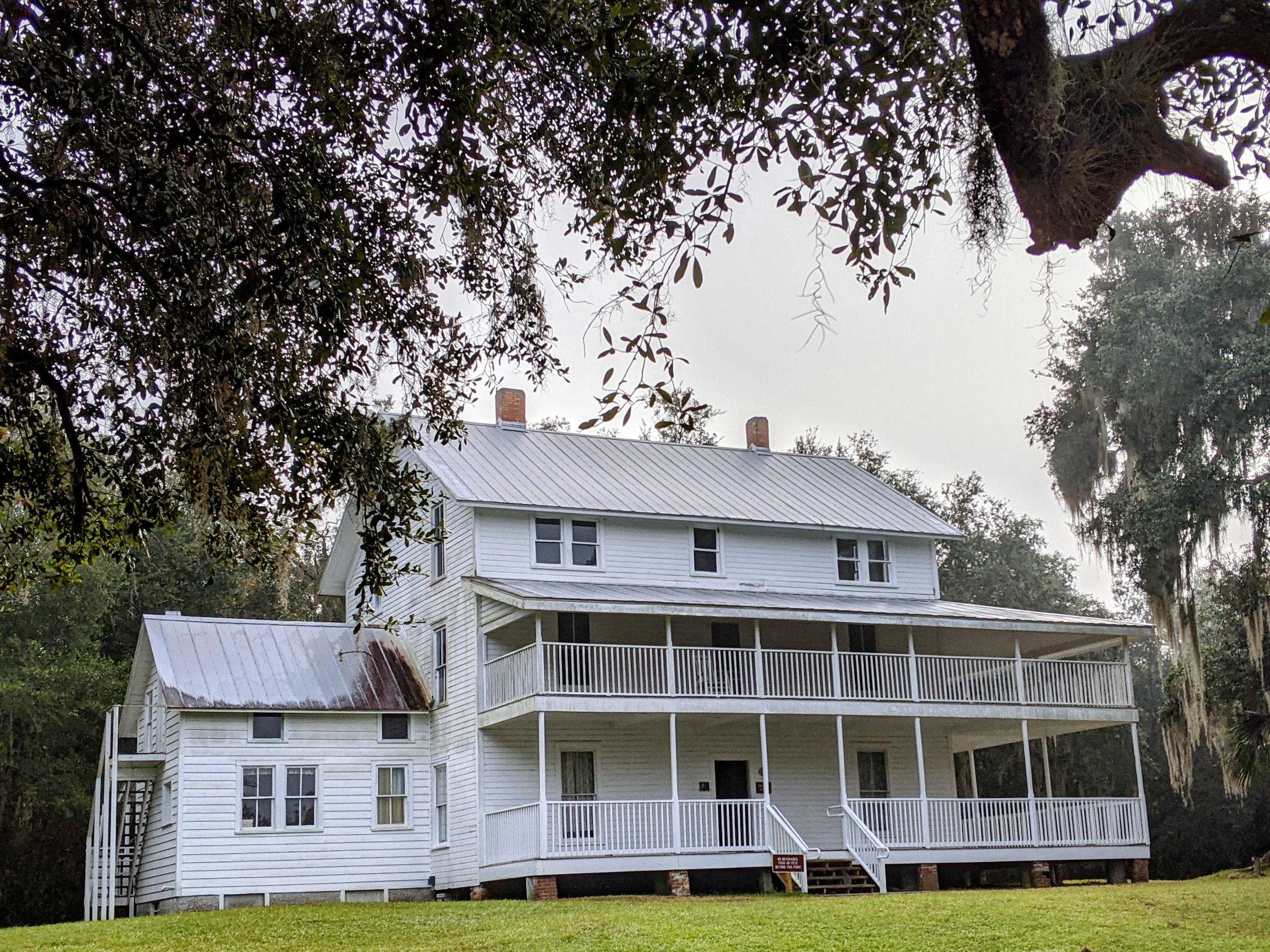
“Louis Thursby, one of the area’s first European settlers, came here with his family in 1857. He hoped that being close to the river would help him to grow wealthy, and so he built an orange grove and a pier for passing steamships. The Thursby house is preserved as it looked at the turn of the 20th century, capturing Florida in a momentous period of transition between frontier and modern state.” – www.floridastateparks.org

“Thursby House was built by Louis Thursby, who left Brooklyn to fight in the Mexican War, was discharged in California, then settled at Blue Spring in the late 1860s. He was one of the first on the upper St. Johns to establish orange groves and a steamboat landing so he could send oranges downriver. His activities attracted other orange growers to the Orange City area.” – Michael Strutin, Florida State Parks: A Complete Recreation Guide, 2000

“In 1872 the Thursby family built a big frame house on the top of an ancient snail shell mound. The house and grounds have been restored to look as they did in the 1880s when oranges grew in the yard and the family sent their crops to Jacksonville by steamboat.” – Diana and Bill Gleasner, Florida: Off the Beaten Path, 2003


Withers-Maguire House

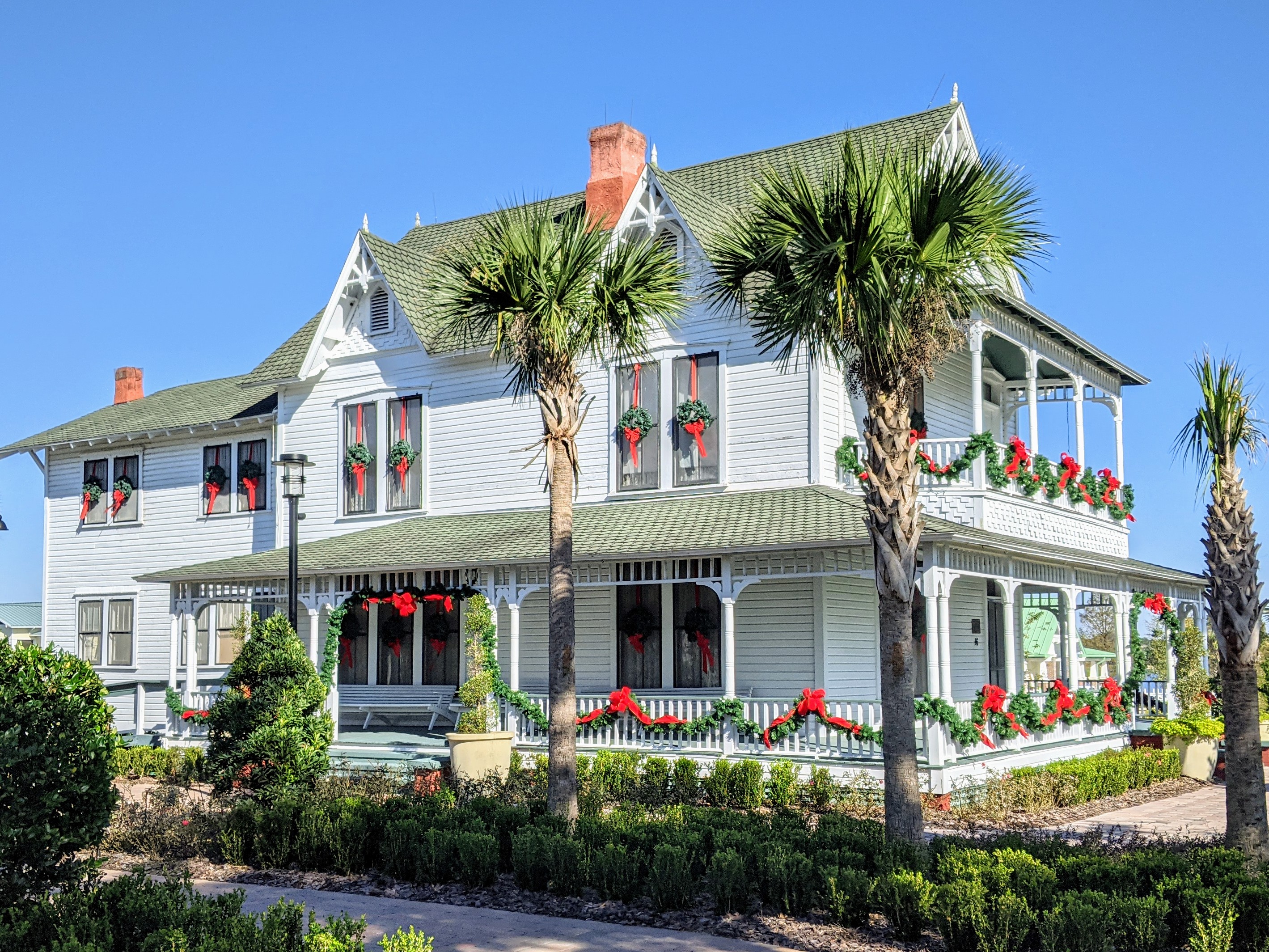
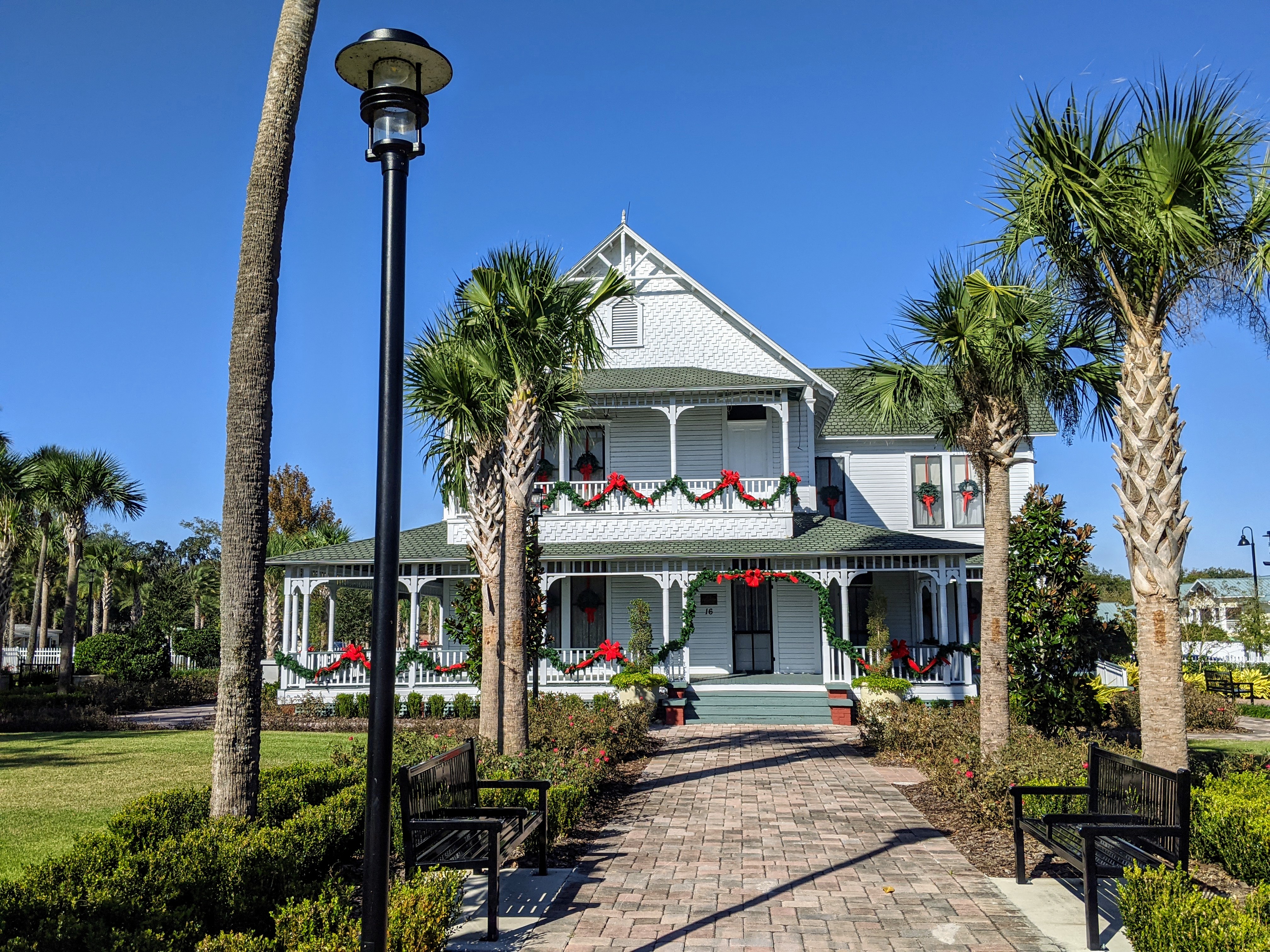
“Southern splendor at its finest, charming, and elegant describes the historic Withers-Maguire House located in Ocoee, Florida. Built in 1888, the house is of a Gothic Stick Style with beautiful Florida Heart-pine floors throughout the interior of the home which is encompassed with an inviting wrap-around porch. The house was purchased in 1979 by the City of Ocoee and meticulously restored to its current beauty and charm.”

Lake Monroe Bridge

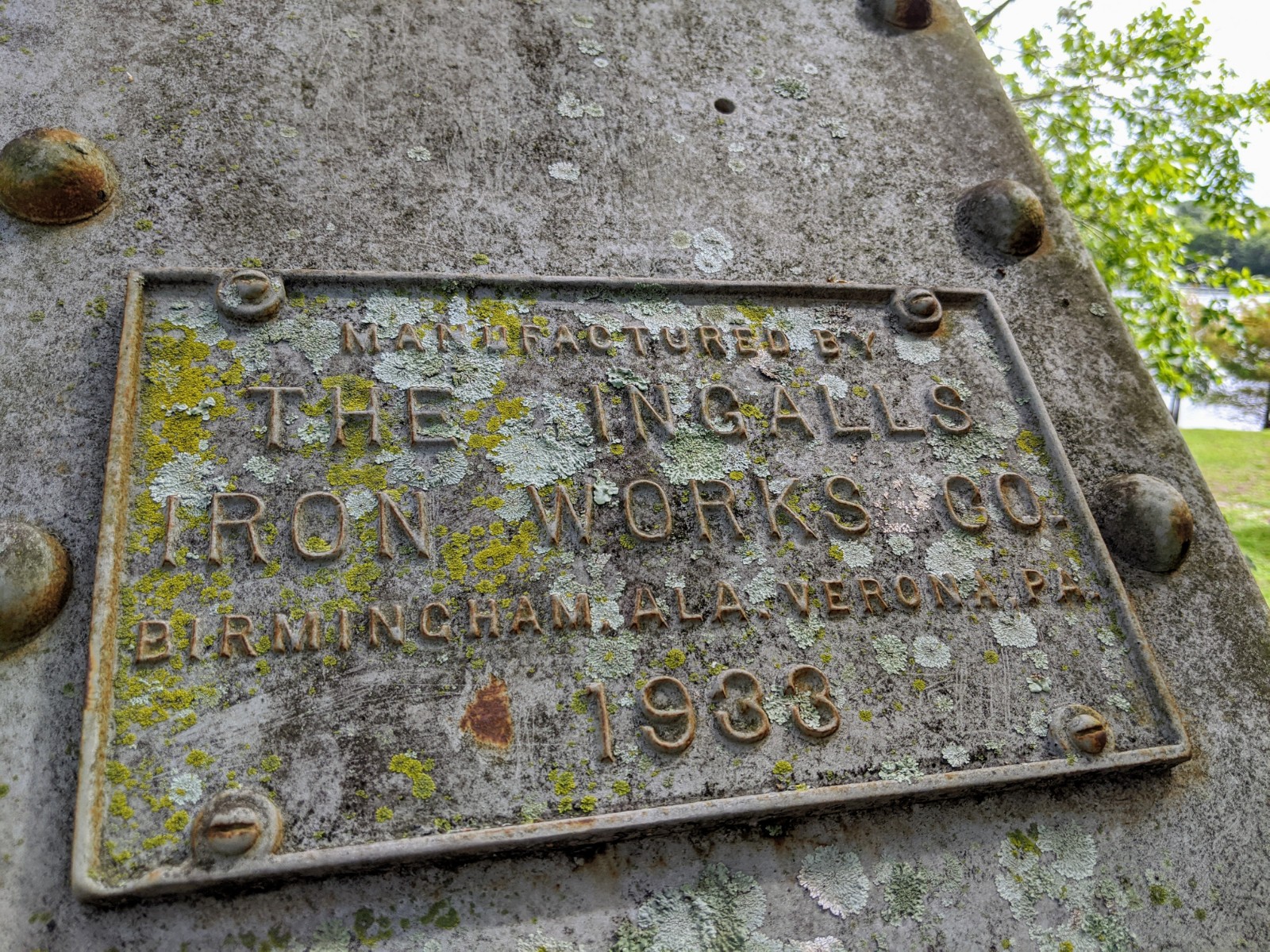
The historic Lake Monroe Bridge can be found at the scenic Lake Monroe Wayside Park in Sanford. According to the Lake Monroe Bridge historical marker: “The Lake Monroe Bridge was the first electrically operated swing bridge in Florida. In 1932-33 the State used federal assistance to build this bridge, which replaced a wooden toll bridge that was manually operated. The construction of the bridge provided economic relief for an area hurt by the economic collapse of the Depression era. The bridge was fabricated by Ingall’s Iron Works of Birmingham, Alabama; the swing machinery manufactured by Earle Gear and Machine Co., Philadelphia, Pennsylvania; and it was erected by W. W. White Steel Construction of St. Petersburg, Florida. Kreis Contracting Company of Knoxville, Tennessee was the general contractor for the Florida Department of Transportation. The Florida Department of Transportation and Seminole County cooperated in preserving the swing span as a fishing pier when the new Benedict Bridge was completed in 1994.”

Devil’s Chair

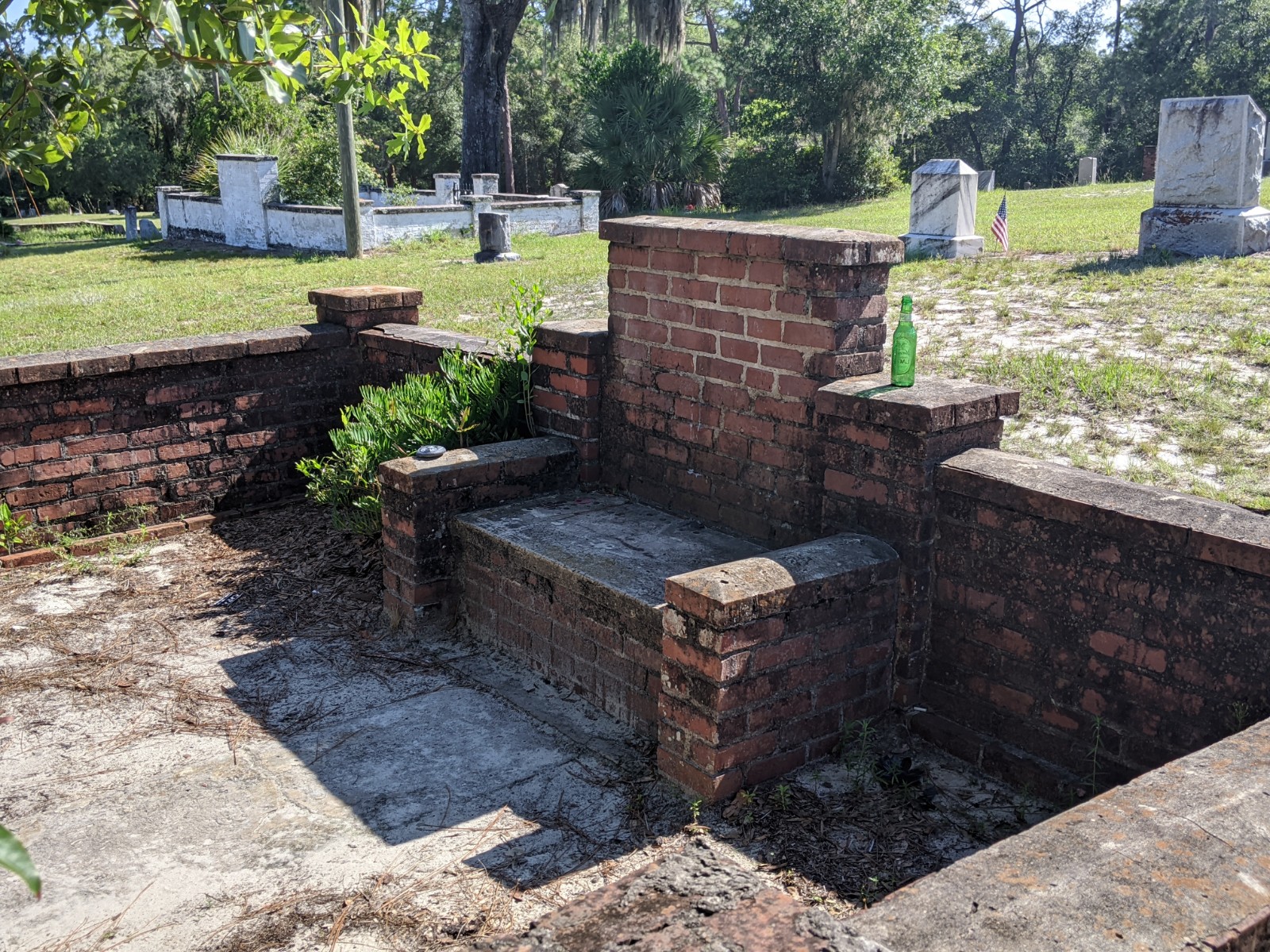
I finally made it back to Cassadaga in search of the haunted landmark known as the “Devil’s Chair,” which can be found at Lake Helen-Cassadaga Cemetery. According to urban legend, if you sit in the immense brick chair at midnight, the Devil will pay you a visit. Furthermore, if you place an unopened can of (preferably cheap) brew on the Devil’s Chair at midnight, you will be greeted with an empty can the next morning. However, the most likely explanation for the Devil’s Chair is that it once served as a so-called “mourning chair” for an elderly gentleman visiting his wife’s grave. The legend is much more interesting, don’t you think?

Bulow Plantation Ruins

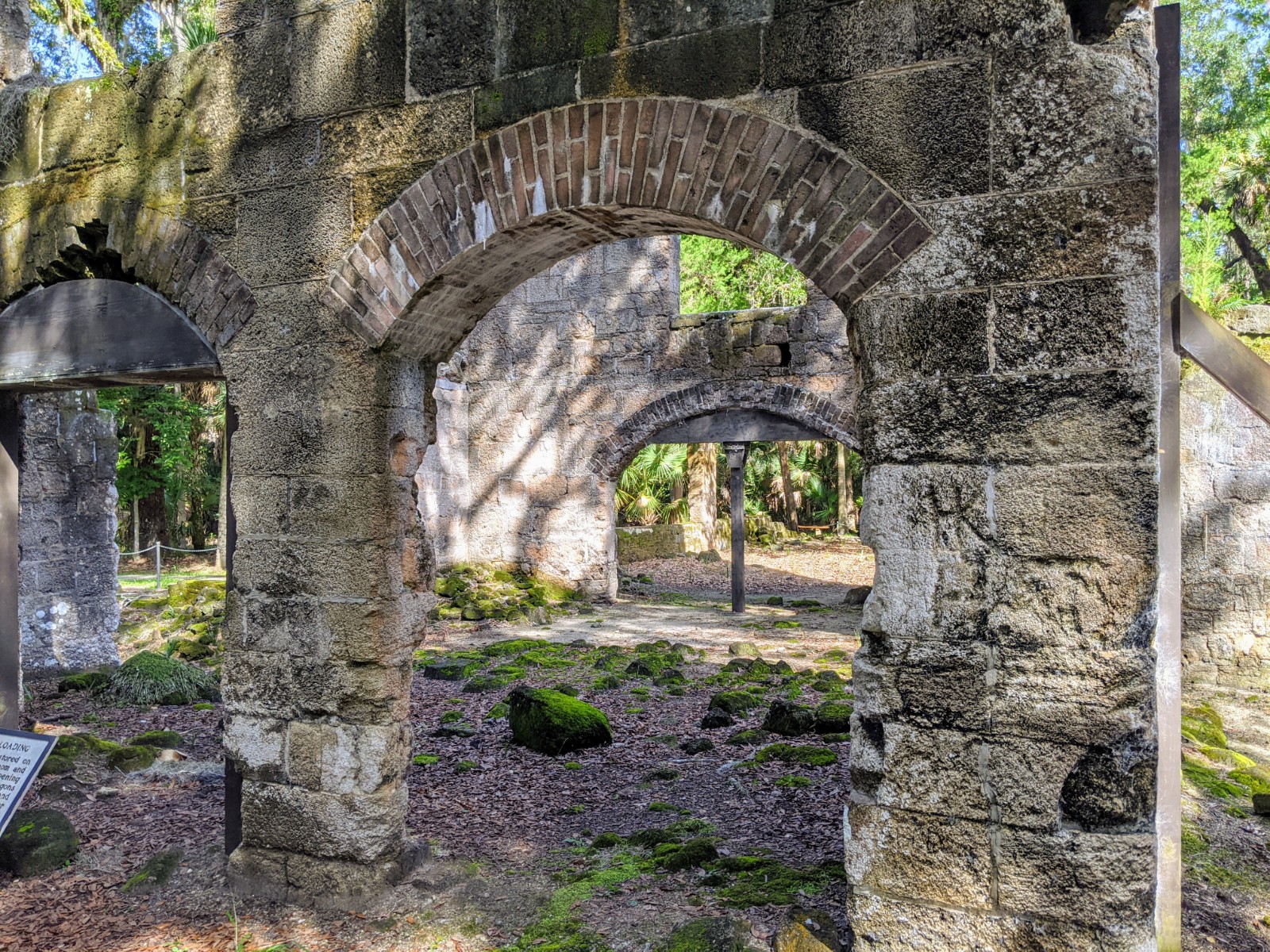
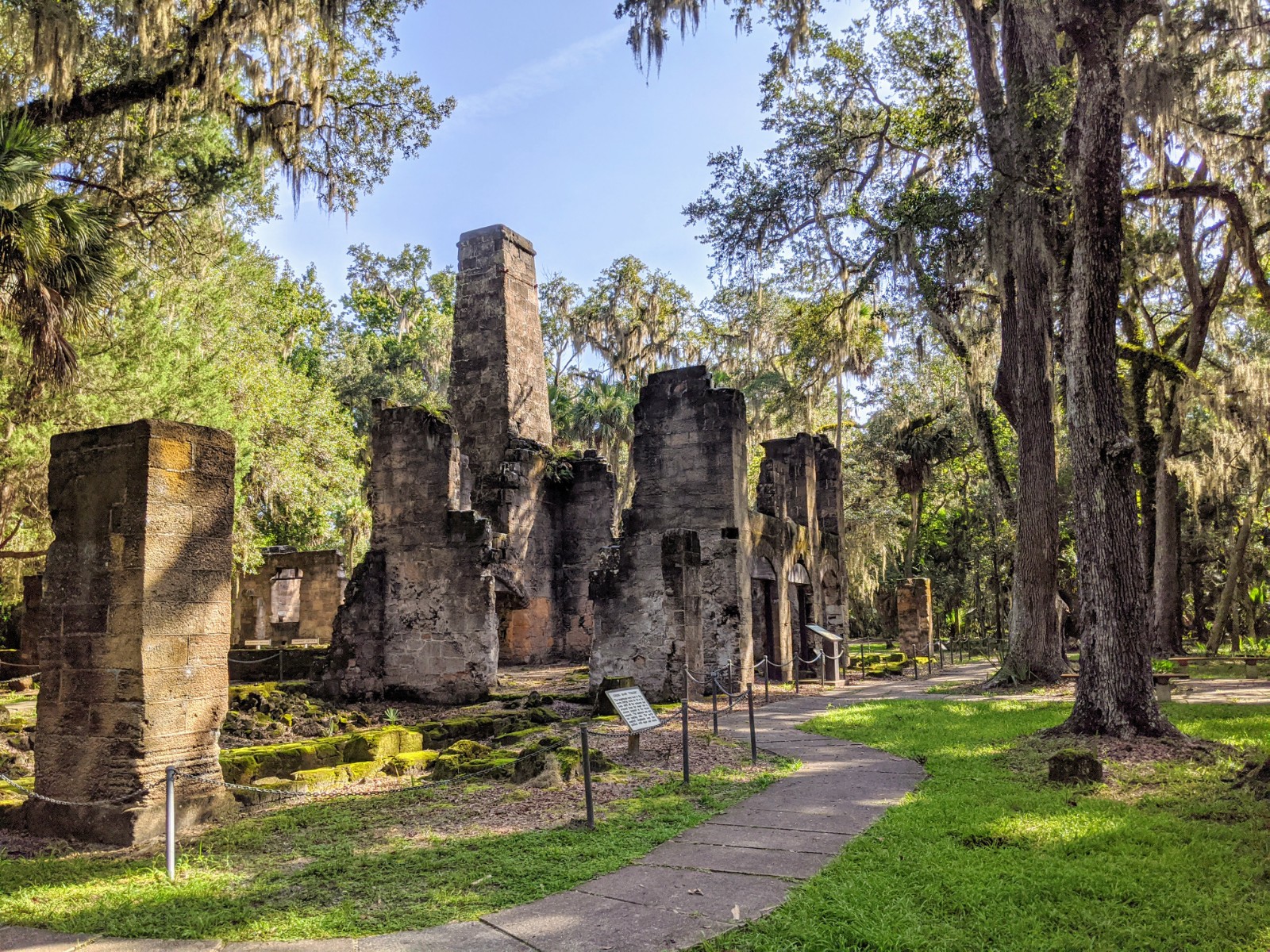
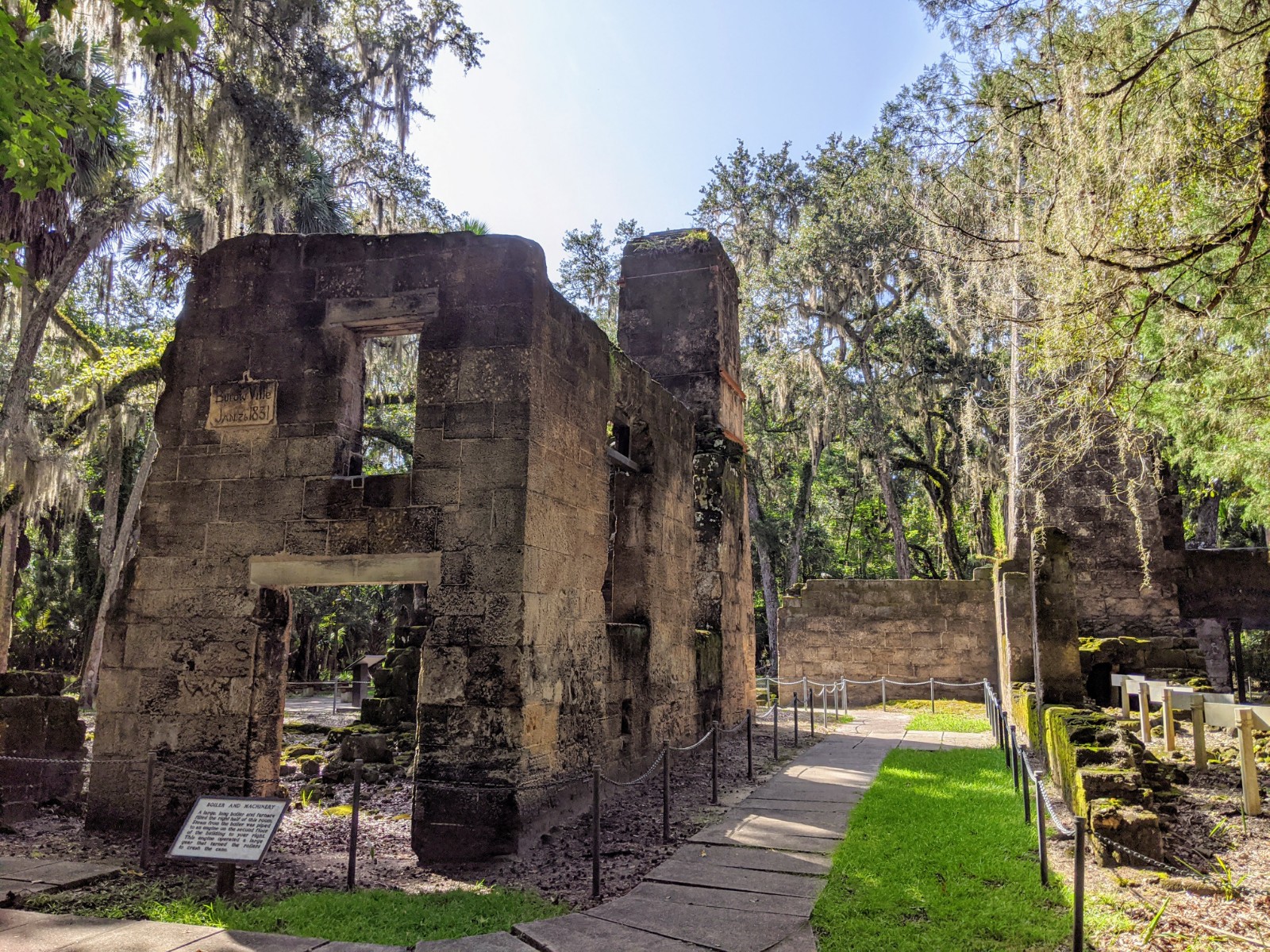
Surrounded by sprawling residential developments just west of bustling Flagler Beach, Bulow Plantation Ruins Historic State Park is a welcome natural respite from all the “progress” of modern life. Nestled in a scenic wooded area along the banks of Bulow Creek, this Florida state park contains the ruins of a sugar mill that was built around 1830 at the briefly thriving Bulow Plantation and burned by the Seminoles in 1836. Bulow Plantation Ruins Historic State Park also serves as the northern trailhead of the 6.8-mile Bulow Woods Trail, which runs south through Bulow Creek State Park (home to the spectacular Fairchild Oak).

The Tropic of Cracker

“The Tropic of Cracker survives in myth, memory and love of natural Florida. It exists more in the mind than in geography, more in the memory than in the sight, more in attitude than in the encounter … This book tells you about one man’s vision of a state struggling to remain true to itself. It mixes new essays with a span of earlier ones written during nearly a quarter century of roving the state as a columnist for The Miami Herald. All of them, in sum, help illuminate and explain the Tropic of Cracker.” – Al Burt

Boulware Springs Park

A trailhead for the 17-mile Gainesville-Hawthorne State Trail, Boulware Springs Park and Historic Waterworks is the site of a 19th-century waterworks building that provided the water supply for the City of Gainesville back in the day. Believe it or not, Boulware Springs produces approximately 194,000 gallons of water daily that flows into Paynes Prairie Preserve State Park.

Historic Smallwood Store

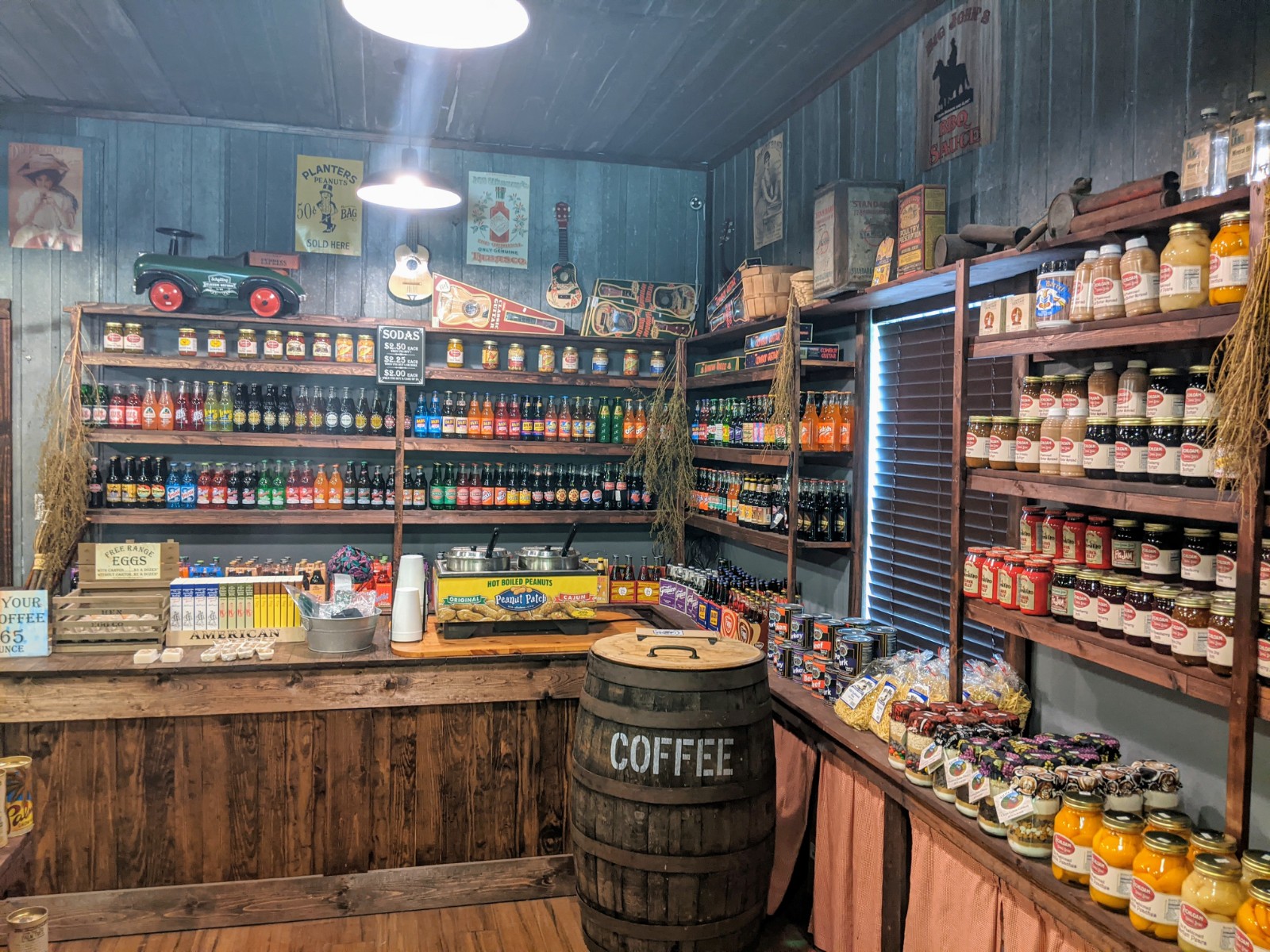
Back in February, we got the opportunity to head down to Chokoloskee Island on the western edge of the Everglades in the heart of the Ten Thousand Islands and tour the fascinating Historic Smallwood Store. Opened in 1906 by Ted Smallwood, the Smallwood Store served as a vital trading post in the area until 1982 and has since been converted into a museum that features a “time capsule of Florida pioneer history,” according to the official website. It is listed on the National Register of Historic Places.

Green Springs Park, Deltona

I saw this Florida alligator at the aptly named Green Springs Park in Deltona on Sunday. A bustling outdoor recreational hot spot, Green Springs Park is not the greatest locale to keep your distance from the populace. However, I do recommend stopping by when it’s less crowded just so you can take a glimpse of the incredibly beautiful springs. According to the official website, “By 1883, Green Springs was part of the large estate of wine importer and steamboat baron Frederick deBary, who used it to entertain guests from DeBary Hall. Well into the 20th century, the site still attracted tourists who were struck by what one observer called the spring’s ‘delicate green waters.'”